
















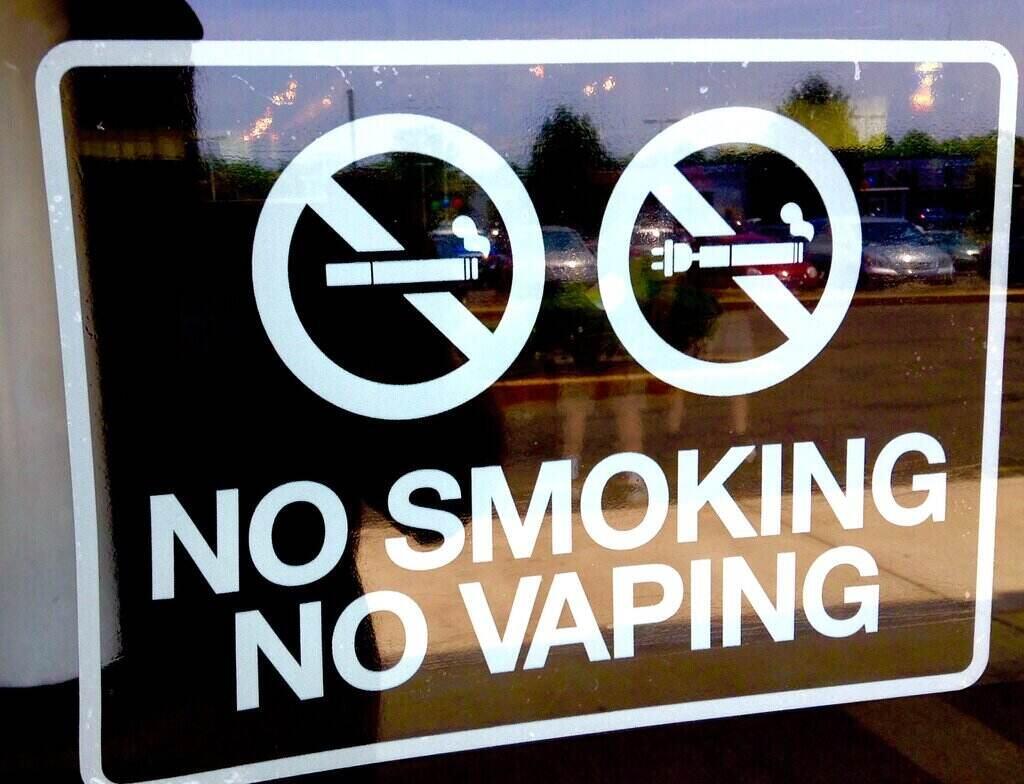
Vaping has gained immense popularity over the past decade, especially among teenagers and young adults. Marketed as a safer alternative to traditional smoking, many users believe that vape poses fewer health risks. However, emerging research and health reports indicate that using vapes may be more harmful than initially thought. Now we are going to get into the various dangers associated with smoking vapes , emphasizing its impact on health, addiction and social implications.
Respiratory Issues

Dr. Yale Rosen Atlas of Pulmonary Pathology (Flickr CC0)
One of the primary concerns regarding using a vape is understanding the risks and its effect on lung health. E-cigarettes contain various chemicals, including nicotine, flavorings, and other additives that can irritate the respiratory system. Studies have shown that vaping can lead to chronic bronchitis and other respiratory conditions. The inhalation of harmful substances can cause inflammation in the airways, making individuals more susceptible to respiratory infections.
Cardiovascular Effects
According to research, smoking vapes may be bad for your cardiovascular health. Nicotine, a significant element in many e-liquids, raises heart rate and blood pressure. Prolonged nicotine use can increase the risk of heart disease and stroke. Furthermore, inhaling the hazardous chemicals included in e-cigarettes can lead to the accumulation of plaque in the arteries, raising the risk of cardiovascular problems.
Chemical Exposure
Vape liquids frequently include formaldehyde, acrolein, and diacetyl among other dangerous substances. When inhaled, these compounds can be poisonous and cause major health problems such as respiratory disorders and lung damage. While research on the long-term impact of this chemical exposure is ongoing, preliminary findings point to potential serious health hazards.
Nicotine Addiction
One of the most concerning aspects of using vapes is its potential for addiction. Many e-cigarettes deliver high doses of nicotine, which is known for its addictive properties. Young people who vape may find themselves developing a dependency on nicotine, leading to withdrawal symptoms when they attempt to quit. This addiction can lead to a cycle of increased consumption, making it difficult for individuals to break free from vaping.
Mental Health Concerns

Recent research points to a connection between vaping and mental health problems. Teenagers who vape have an increased risk of developing mood disorders, anxiety, and sadness. Nicotine’s addictive qualities can make these mental health issues worse by putting users in a vicious circle of dependence from which it can be difficult to break. Furthermore, the stigma associated with using a vape in society can cause emotions of humiliation and loneliness, which can worsen mental health.
Increase Usage Among Teenagers
Using vapes has become increasingly popular among teenagers, with many perceiving it as a trendy activity. The appealing flavors and sleek designs of e-cigarettes attract young user, often leading them to underestimate the associated risks. This rise in smoking vapes among youth raises concerns about long-term health consequences, as early exposure to nicotine can affect brain development and lead to lifelong addiction.
Gateway to Smoking
An increasing body of research points to using a vape as a potential gateway drug for traditional cigarette smoking. Many youths who begin vaping later switch to smoking traditional cigarettes. Health professionals are concerned about this phenomena because it threatens the public health campaign to lower smoking rates. Years of gains in tobacco control may be reversed if vaping becomes more commonplace and youth smoking rates rise.
Vaping Culture
A distinct subculture has emerged as a result of vaping, particularly among younger populations. Social media sites frequently glorify vaping, which encourages young people to do it even more. This culture has the potential to downplay how severe people think the health concerns of vaping are, which could raise the pace at which people use it.
Need for Regulation
In light of the health risks and social implications of smoking vape, there is an urgent need for regulatory measures. Governments and health organizations must implement stricter regulations on the marketing and sale of e-cigarettes, particularly to minors. Public awareness campaigns are essential to educate young people about the dangers of using vapes and to dispel the myth that it is a safe alternative to smoking.
Conclusion

While using a vape it may have been introduced as a safer alternative to smoking, the health risks and societal implications associated with it cannot be ignored. From respiratory and cardiovascular issues to addiction and mental health concerns, the dangers of vaping are becoming increasingly evident. As the popularity of smoking vapes continues to rise, it is crucial for individuals, especially young people , to understand the potential risks and make informed choices. Awareness and regulation are key to addressing the vaping academic and protecting public health.
Written by Chiquita Street
Sources :
NewPort Institute – How Vaping Affects Mental Health
News in Health – Vaping Rises Among Teens
Yale Medicine – Nicotine Addiction From Vaping Is a Bigger Problem Than Teens Realize
Top & Featured Image Courtesy of Mike Mozart‘s Flickr Page – Creative Commons License
First Inset Image Courtesy of Dr. Yale Rosen Atlas of Pulmonary Pathology‘s Flickr Page – Creative Commons License
Second Inset Image Courtesy of Kevin Simmons‘s Flickr Page – Creative Commons License
Third Inset Image Courtesy of Vaping360‘s Flickr Page – Creative Commons License




