

















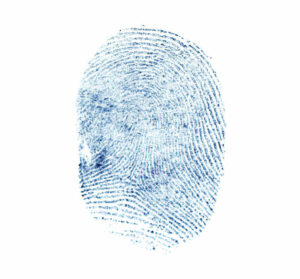
In today’s digital age, where technology permeates every aspect of our lives, fingerprints serve as a unique and invaluable tool for governments worldwide. Beyond their traditional forensic applications in law enforcement, fingerprints play a crucial role in modern governance across various domains such as identity verification, immigration control, and even welfare distribution. Prints are no longer just for solving crimes they’re crucial in how governments manage things like ID verification, border security, and public services. For instance, prints help confirm people’s identities when they apply for passports or IDs, ensuring that only authorized individuals access services or make transactions securely.
Identity Verification and Security
Fingerprints play a crucial role in modern governance, particularly in identity verification and security. Biometric identification, with fingerprints as a cornerstone, offers a highly reliable method to confirm an individual’s identity. Unlike passwords or ID cards, fingerprints are extremely difficult to forge or replicate, making them a secure means of authentication. For example, many countries use fingerprints to safeguard passports and visas, ensuring only authorized individuals can cross borders securely. This application significantly enhances national security by preventing identity theft and unauthorized entry.
In addition to border control, fingerprints are increasingly integrated into national ID systems, enabling citizens to securely and efficiently access government services. This dual application underscores the importance of biometric standards and interoperability across borders, facilitating seamless travel and information sharing while addressing ethical considerations and maximizing the benefits of biometric innovation.
Law Enforcement and Forensic Investigations
Fingerprints have long been indispensable in criminal investigations. Law enforcement agencies use prints to identify suspects, link individuals to crime scenes, and solve cases. The uniqueness and permanence of fingerprints make them a cornerstone of forensic science, providing irrefutable evidence in courtrooms worldwide.
Moreover, advancements in print analysis, such as automated print identification systems (AFIS), have revolutionized law enforcement capabilities. AFIS databases enable rapid matching of fingerprints found at crime scenes with those in criminal databases, aiding in the apprehension of suspects and the exoneration of the innocent.
Healthcare and Social Services
Beyond law enforcement, governments utilize fingerprints to improve service delivery in healthcare and social welfare programs. In some countries, fingerprints are linked to healthcare records, ensuring accurate patient identification and reducing medical errors. This integration enhances the efficiency of healthcare systems by streamlining patient management and facilitating access to medical services.
Similarly, prints are employed in the distribution of social benefits and welfare payments. By linking the prints to government databases, authorities can verify the identities of beneficiaries, prevent fraud, and ensure that resources reach those who need them most. This application not only enhances accountability but also promotes equitable distribution of public funds.
Ethical and Privacy Concerns
While the use of fingerprints offers significant benefits, it also raises ethical and privacy concerns. Critics argue that widespread collection and storage of biometric data pose risks to individual privacy and civil liberties. The potential for misuse, such as unauthorized access to personal information or government surveillance, is a valid concern in the digital age.
Moreover, issues of consent and data security are paramount. Citizens must trust that governments will handle their biometric data responsibly, safeguarding it against breaches and unauthorized access. Robust legal frameworks and strict regulations are essential to protect individuals’ rights and ensure transparent use of biometric information by government entities.
Future Directions and Innovations
Looking ahead, advancements in biometric technology promise to further transform how governments use fingerprints. Emerging technologies like 3D fingerprint scanning and vein pattern recognition offer enhanced accuracy and security, potentially expanding the scope of fingerprint applications in governance.
Furthermore, International cooperation on biometric standards and interoperability will make it easier for people to travel across borders and share information smoothly. As governments use prints more, it’s important for policymakers, technologists, and civil society to work together to address ethical issues and make the most of biometric innovation.
Fingerprints
In conclusion, these prints play a pivotal role in modern governance, serving as a reliable tool for identity verification, law enforcement, healthcare, and social services. While their use offers undeniable benefits in security and efficiency, it is essential to navigate the ethical challenges surrounding biometric data collection and privacy rights.
Governments must adopt robust policies and safeguards to ensure responsible use of prints and uphold individual rights. By balancing innovation with ethical considerations, societies can harness the full potential of biometric technology while protecting the privacy and dignity of every citizen. As technology continues to evolve, so too must our approach to governance and the ethical frameworks that guide it.
Written by Janiyah White
Sources:
Pew: Health Care Can Learn From Global Use of Biometrics
FedTech: How the Government Uses Biometric Authentication Technology
Los Angeles Times: The government wants your fingerprint to unlock your phone. Should that be allowed?




