
















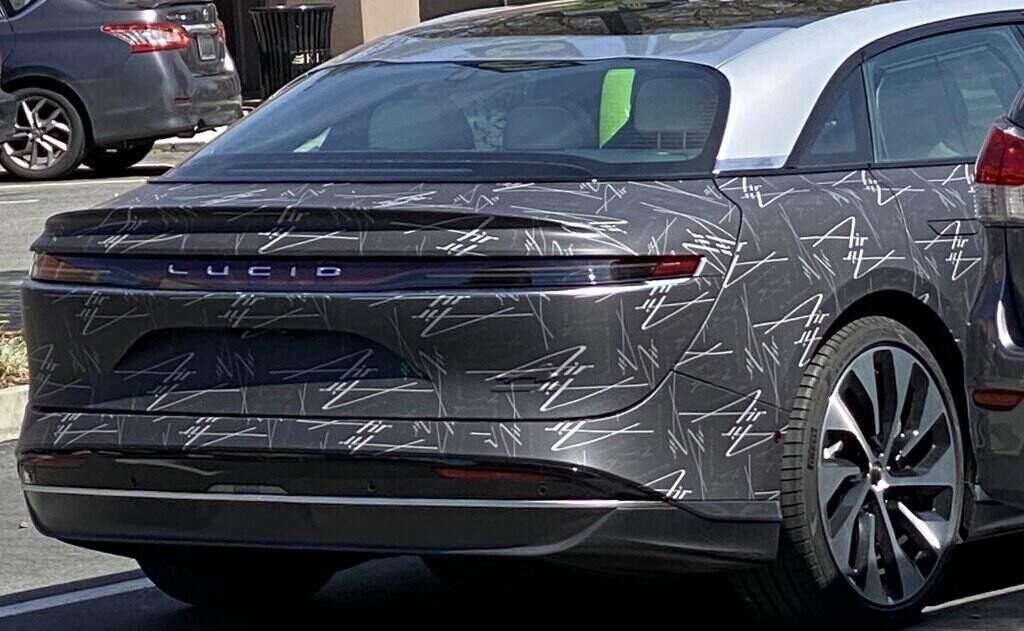
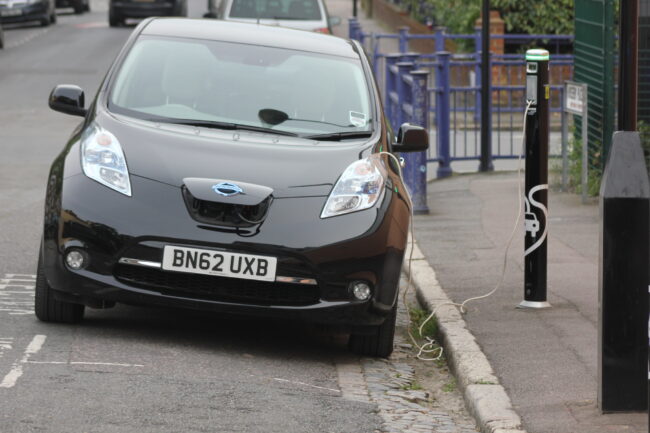
In 2024, the electric vehicle revolution is no longer a distant future. From sleek sedans to rugged SUVs, electric vehicles are increasingly becoming a mainstream choice for consumers, reshaping not only how we drive but also how we think about energy, infrastructure, and sustainability. What began as a niche market for environmentally conscious buyers has evolved into a key component of the global transportation landscape, driven by advancements in technology, changing consumer preferences, and a growing emphasis on reducing carbon footprints.
The year 2024 marks a pivotal moment in the EV movement, as automakers, governments, and consumers all push for cleaner, more sustainable modes of transport. With more EV options available than ever, an expanding network of charging stations, and increasingly attractive incentives, electric vehicles are well on their way to becoming the default choice for consumers around the world. But despite this momentum, challenges remain—ranging from supply chain issues to the need for greater infrastructure to support mass adoption. Here’s a closer look at the factors driving the rise of EVs in 2024 and what the future holds for electric mobility.
The Rise of Consumer Demand
The shift towards electric vehicles has been steadily gaining steam over the last decade, but 2024 is seeing an unprecedented surge in demand. One of the most significant drivers of this surge is heightened awareness about climate change and environmental sustainability. As governments around the world set more ambitious emissions reduction targets, consumers are increasingly motivated to reduce their carbon footprints by choosing cleaner alternatives to traditional internal combustion engine vehicles.
In addition, EVs are no longer just for early adopters. While the premium price point of EVs used to be a barrier to entry, advancements in battery technology have significantly reduced costs, making EVs more accessible to a broader range of consumers. Brands like Tesla, Nissan, Chevrolet, and Ford now offer a variety of models, from budget-friendly compact cars to high-performance sports sedans and family-friendly SUVs.
A significant change in consumer behavior can also be seen in the rise of secondhand EV markets. More people are considering EVs not just as new car buyers but also as a viable option for those in the used car market. The increase in availability of certified pre-owned EVs, often at lower price points, is contributing to a broader transition toward electric transportation.
Better Range and Faster Charging
In 2024, the technical barriers that once hindered the widespread adoption of EVs limited range and slow charging times are rapidly diminishing. Range anxiety, the fear of running out of battery on long trips, has been one of the primary concerns for potential EV buyers. However, recent breakthroughs in battery technology have allowed automakers to offer electric vehicles that can travel well over 300 miles on a single charge comparable to many gasoline-powered vehicles.

Battery innovations, such as solid-state batteries and improvements in lithium-ion technologies, are expected to further increase the energy density and longevity of EV batteries, ultimately driving prices down. These innovations are expected to play a significant role in reducing costs over the next few years, making EVs even more attractive to the average consumer.
Faster charging times are another crucial area of improvement. In 2024, many public charging stations can now replenish an EV’s battery up to 80% in as little as 20 minutes, a significant reduction from previous charge times. Home charging stations, too, are becoming more efficient, with faster charging capabilities making it easier for consumers to charge their EVs overnight.
Expanding Charging Infrastructure
The rise in EV adoption would be nearly impossible without the rapid expansion of charging infrastructure. In 2024, the global network of charging stations has grown significantly, making it easier than ever to find a charging point, whether in urban centers or on highways for long-distance travel. Governments and private companies are investing heavily in expanding charging infrastructure to meet the growing demand. In countries like the U.S., Europe, and China, the number of public charging stations is increasing rapidly, providing a crucial backbone to the widespread adoption of electric vehicles.
Charging networks are also becoming smarter, with features such as real-time availability tracking, payment integration, and predictive analytics that tell drivers the best time to charge based on grid demand. Furthermore, the development of ultra-fast charging stations is making long road trips more feasible for EV owners, further eroding concerns about the limitations of electric mobility.
Government Policies and Incentives
Government policies play a pivotal role in accelerating the adoption of electric vehicles. In 2024, governments are enforcing stricter emissions standards, setting EV sales targets, and offering incentives, including the U.S. aiming for 50% electric vehicles by 2030.
Many countries in Europe and parts of Asia are also pushing for even more ambitious timelines, with some nations aiming for the complete phase-out of new petrol and diesel cars within the next decade. To further incentivize EV adoption, numerous countries are offering rebates, tax credits, and subsidies to consumers purchasing electric vehicles. For example, in Norway, EVs account for over 50% of all new car sales, partly thanks to the country’s generous tax exemptions and free access to toll roads and ferries.
Environmental Benefits and Global Impact
The environmental impact of electric vehicles’ growing adoption is significant. In 2024, transportation is a major contributor to greenhouse gas emissions, but as EVs replace gas-powered vehicles, carbon emissions from transportation will decline. The use of renewable energy to power EV charging stations further enhances the sustainability of electric mobility.
EVs are also crucial in helping cities and regions reduce air pollution. Urban areas, which often face air quality issues due to vehicle emissions, are seeing cleaner air thanks to the widespread adoption of EVs. As more cities adopt policies favoring electric vehicles, such as low-emission zones and incentives for EV owners, the positive impact on public health and the environment will only grow.
Challenges Ahead
Despite the rapid advancements, there are still challenges to be addressed in 2024. One of the most pressing issues is the availability of critical raw materials like lithium, cobalt, and nickel, which are essential for EV batteries. Global demand for these materials continues to grow, creating supply chain challenges that could increase costs or slow EV production.
Additionally, the need for a truly global charging infrastructure remains. While some regions have strong charging networks, developing countries still lack the infrastructure for large-scale EV adoption. As the global market for electric vehicles expands, solving these infrastructure gaps will be critical to ensuring that EVs are accessible to everyone, regardless of geography.
The Road Ahead for Electric Vehicles
In 2024, electric vehicles are no longer a niche alternative they are the future of transportation. Advancements in technology, charging infrastructure, policies, and sustainability drive EVs to dominate the roads. However, challenges remain, from raw material shortages to the need for broader infrastructure development. The success of the electric vehicle revolution depends not just on automakers but on governments, consumers, and industries working together to create a sustainable, accessible future for all.
Written by Janiyah white
Sources:
Forbes: Electric Vehicles Confront A Manufacturing Reality: Mass Production
CNBC: The Biden Administration’s $5 Billion Investment in EV Charging Infrastructure
The Guardian: Electric Cars Are Now the New Normal, Thanks to Global Policy Push
Inset image Courtesy of mangopulp2008 Flickr – Creative Commons License
Inset Image Courtesy of Paul Wilkinson Flickr – Creative Commons License