
















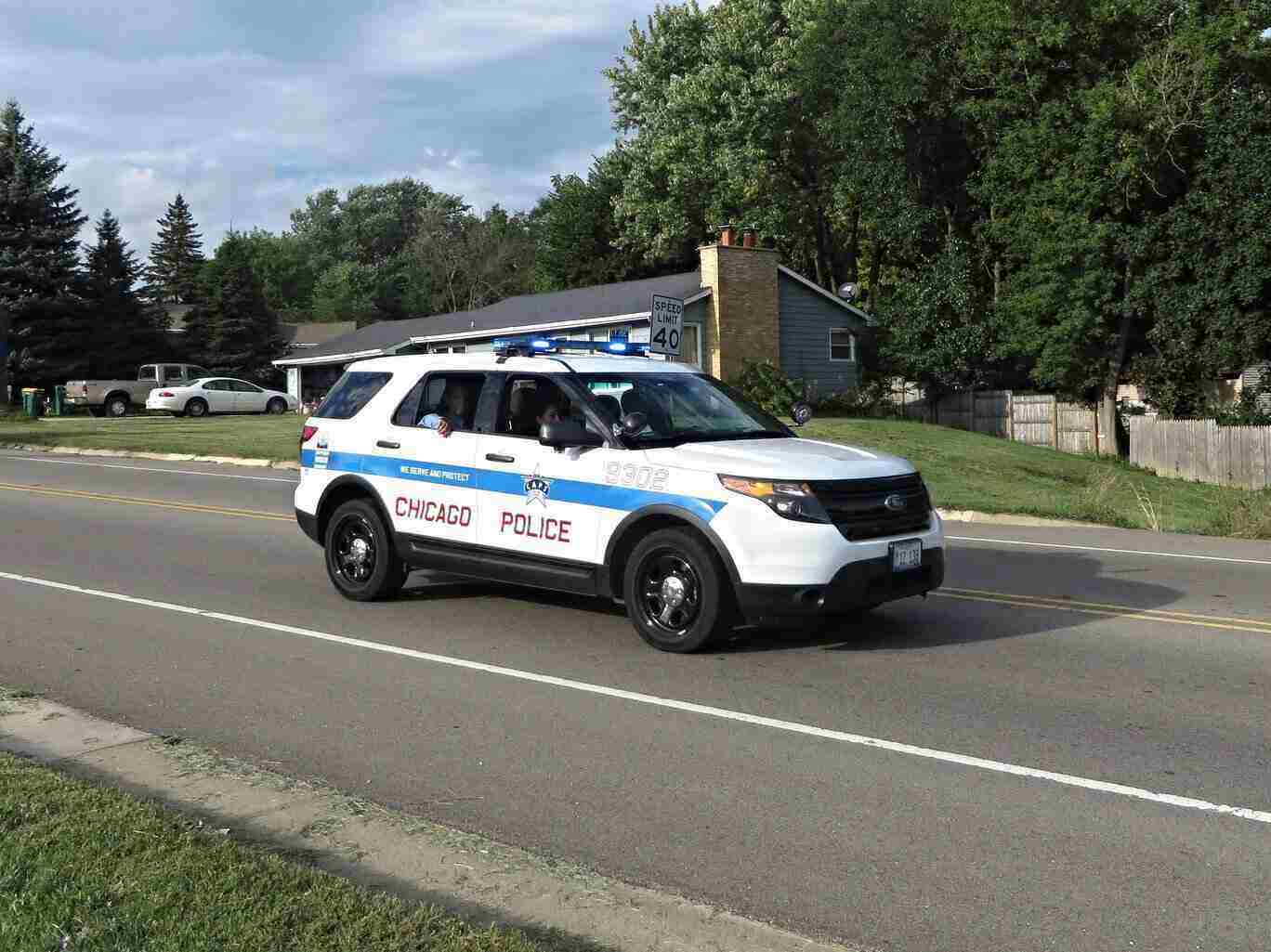
For the past few years, the Chicago Police Department has been working with the federal consent decree.
The federal consent decree, according to the Chicago.gov website, “requires the Chicago Police Department and the City of Chicago to reform training, policies, and practices in a number of important areas, such as the use of force, community policing, impartial policing, training, accountability, officer wellness, data and information systems, and more.” What this means is that the city is working with the police to create a better protocol to protect the people of the city.
Citizen Consultant Experience
Father Larry Dowling of North Lawndales St. Agatha’s Church worked as a citizen consultant for the Federal Consent Decree. During June 2020, for three hours a week on Tuesdays he and others, including members of CPD would get together to try to amend the use of force policy for the CPD.
The use of force policy is a policy on when it is appropriate to use force to apprehend a person. This policy has many parts to it, but for the most part, the basis is these three from the CPD website, “Limits [the] use of deadly force on fleeing felons — requires [the] existence of [an] imminent threat, deadly force may only be used as last resort, defines uses of force that constitutes deadly force, and includes intentional head strikes with [an] impact weapon, and chokeholds.”
What all of this together means is that the City of Chicago is seeing an issue with the use of force among its officers. Moreover, there need to be amendments to CPD’s Use of Force Policy under the Federal Consent Decree.
What Father Larry, and others, wanted out of the amendments to the Use of Force Policy are focuses on de-escalation, language on how to describe someone that the police are in pursuit of, and better policy on what happens after an incident occurs. Father Larry spoke of the use of body cameras and whether or not officers need to always be carrying a weapon.
“It was clear there needed to be a change,” said Father Larry.
Change?
By September 2020 there were 173 recommended amendments to the Use of Force Policy. The Chicago Police Department adopted three of them.
Of these three recommendations, the only thing they covered in terms of changing policy within the CPD was language. For example, one of these said they should change the word “suspect” to “person” when speaking about someone.
Mayor Lori Lightfoot approved of these three recommendations. This meant slowly members of the police force stopped coming to these meetings. In 2021 more pressure was put on members of the CPD and a year and a half later there were 40 changes in policy.
“A change in policy, of course,” said Father Larry, “doesn’t mean a change in practice.”
Resistance to Training

In late 2022 Father Larry sat in on an eight-hour de-escalation and implicit bias training. They combined the two classes into one at St. Agatha Catholic Church in North Lawndale. Additionally, an outside psychologist led this class, which was not received well by officers. In fact, the pilot program was dropped because many officers did not come back to the second day of class.
To combat the dislike of these types of classes in officers, officers were sent without warning to de-escalation classes in the next sessions. These officers, though, saw this as nothing more than a “hoop to jump through.”
Not all members of the police force were resistant to the training. Women officers were better at de-escalation on average after these sessions.
One alarming fact about these training sessions was that officers were nodding off during these training sessions. Furthermore, during a training situation where actors were told to be someone committing a crime, the first response of most of the officers was to pull out a gun. Instructors told those who did this that it was inappropriate, but this idea was never reinforced.
What this Means Today
The committee working with the Federal Consent Decree on the Use of Force Policy will come out with a report and recommendations for training and amendments in the coming weeks. Unfortunately one has to ask if it wasn’t enough before why would it be enough now?
To change the police force there would need to be a change in culture. This cannot be done with just written amendments to the protocol.
Written by Caroline Buehler
Sources:
Chicago Police Department: Use of Force Policy Summary
Chicago.gov: Consent Decree
Copa.org: Civilian Office of Police Accountability.
Featured and Top Image Courtesy of InventorChris2 Flickr Page – Creative Commons License
First Inset Image Courtesy of Jason Lawrence Flickr Page – Creative Commons License




