
















On Jan. 17, 2008, British Airways flight 38 became the first hull loss of the 777 when it crashed. Just short of Runway 27L at London Heath row. While the 777 remains what’s considered one of the safest aircraft of all time, there have been a few incidents resulting in hull losses and fatalities. There had been small particles of water that had started to form within the jet fuel. This had caused the fuel to begin to freeze over.
Due to this, the thrust was accelerated to compensate prior to landing, this became an issue. The fuel-oil heat exchange (FOHE) was obstructed by the ice particles, preventing fuel from reaching the engine, causing the craft to not being able to stay in air and subsequently crash. Fortunately, no one was killed. There have been more 777 hull losses in incidents involving Egypt Air and Emirates aircraft.
All Eyes on Boeing
Now this problem has been raised again and all eyes are on Boeing. A Boeing supplier notified the company that it had discovered “non-conformance” with the way some holes were drilled. In about 50 undelivered 737 jets, the company. Some fuselage holes on those planes “may not have been drilled exactly to our requirements,” Boeing Commercial Airplanes CEO Stan Deal said in an email to employees.
The head of Boeing’s commercial airplanes division said some planes that have not yet been delivered to airlines will need to be reworked, but he said the issue did not affect the safety of Max jetliners that are already flying.
What Happen?
The revelation of new quality issues involving Boeing planes came as another leading airline executive aimed the manufacturer.
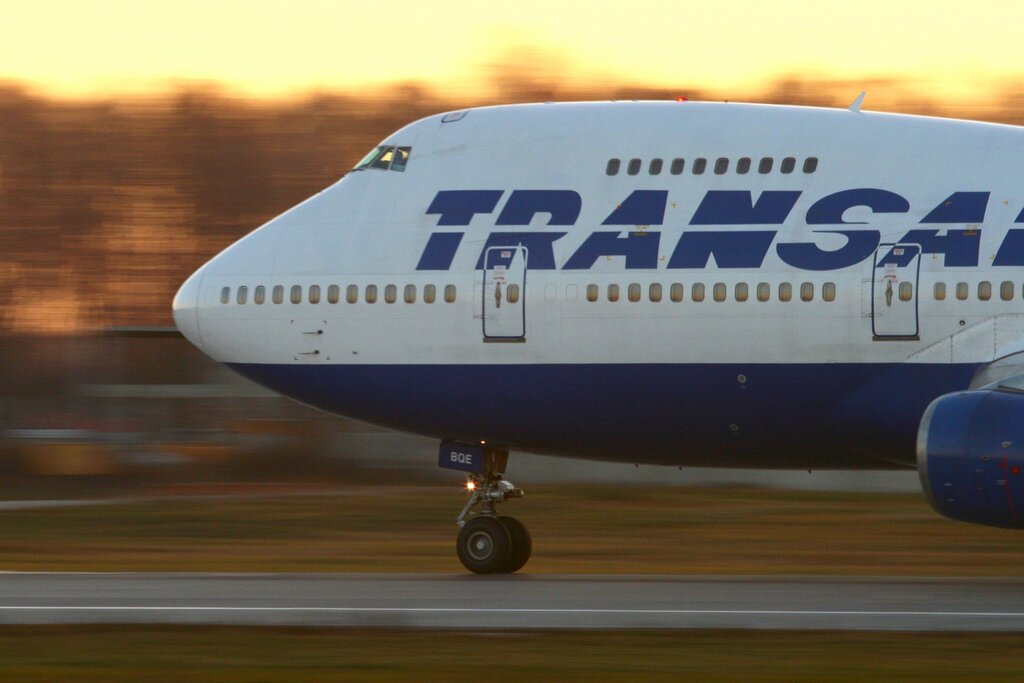
The list of individual who continue to operate Boeing 747s is not lengthy, and it appears to be obtaining shorter numbers with each passing day. Due to the pandemic, a number of former major 747 operators, particularly Qantas, Virgin Atlantic, KLM, and British Airways, all ceased operating their Boeing fleets early in 2020. Yet a small number of airlines remain to provide passenger flights using the Boeing 747-8 as well as 747-400.
Leaving Flights
Concerning that this is their second function this year it’s not surprising. Alaska Airlines resumed flying the Boeing 737 Max 9 following fleet inspections. Which happened for the first time, after a door plug fell off one of its planes mid-air on January 26. The flights that departed were:
- Alaska Flight 1146 — the airline’s first Max 9 flight since the aircraft was grounded — departed Seattle-Tacoma International Airport that afternoon, bound for San Diego.
- Two other Max 9 flights were also expected to depart that Friday afternoon one from Las Vegas to Portland, Oregon, and another from Seattle to Ontario, Canada — according to the airline.
The president of Emirates, a major international airline based in Dubai, told the Financial Times he has seen a “progressive decline” in Boeing standards, which he blames on management mistakes — including putting financial performance over-engineering excellence. The FAA said it approved its detailed set of inspection and maintenance instructions after a thorough review of data from 40 inspections of grounded planes.
The Finales of Boeing

The FAA also convened a Corrective Action Review Board made up of safety experts who scrutinized and approved the inspection. Maintenance process. Deal said that production delays would result from Boeing’s recent instruction to a major supplier to halt shipments until each component pass standards.
According to those with knowledge of the situation, Spirit was this supplier. With the prison light on the crash back to bake and the ground of the Boeing plans. Not only are the sales of these plains falling but the stocks as well.
Slight Rise in Stock
Although the stock the number rose significantly toward the end of the previous year before dropping precipitously upon hearing of the tragedy. “Prior to the call, I estimated the fair value at $232 [£183.65]. Which I later lowered by a small amount,” said Morningstar’s Nicolas Owens covering the stock of Boeing. Furthermore, he added, that the impact to Boeing appeared “to be limited.”
“The assembly line for the 737 is the main focal point. It all comes down to when they can resume production at a normal pace, which I estimate will take a year or a year and a half, instead of trying to ramp up production.” he concluded.
By Jada Dunkentell
Sources:
ABC: Boeing flags potential delays after supplier finds another problem with some 737 Max fuselages
ABC: Boeing finds ‘non-conformance’ in some undelivered 737 fuselages, company says
ABC: Alaska Airlines resumes flying Boeing 737 Max 9 plane after door plug blowout
Fox: Boeing flags potential delivery delays after learning of misdrilled holes in some 737 MAX fuselages
Simple: Asiana Airlines Flight 214: The Boeing 777’s First Fatal Crash
Morningstar: Have Boeing Stock Investors Stopped Booing?




