














What Is a Wildfire?
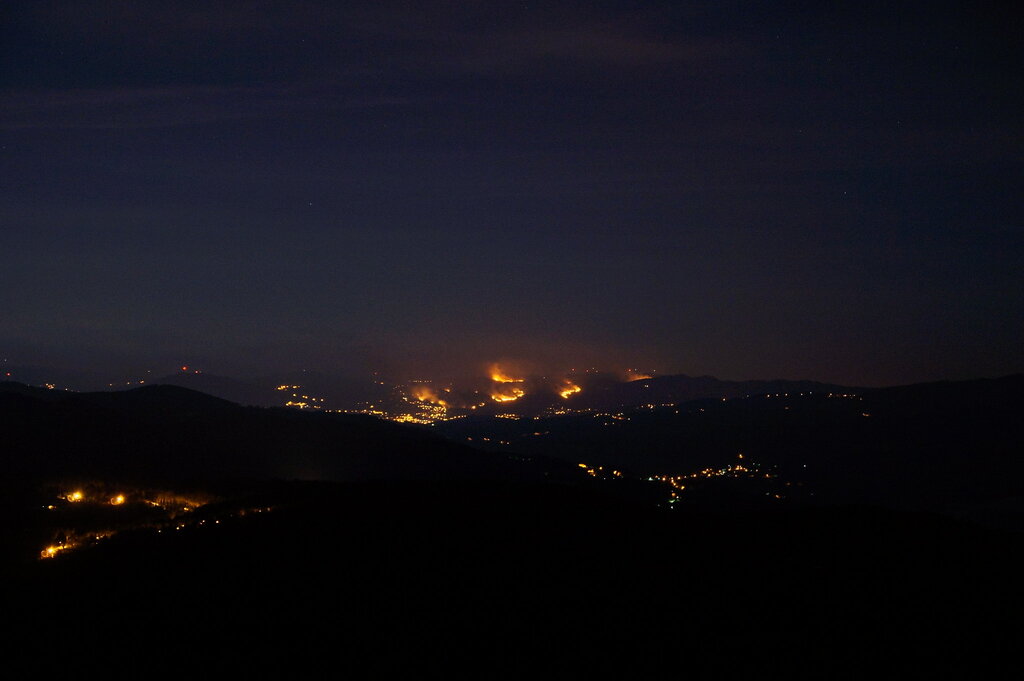
A wildfire (blaze) is an improvised, uncontrolled, and unanticipated fire in dry grass, brush, weeds, litter, and waste. Depending on the type of combustible vegetation present. A blaze is more specifically identified as a bushfire, desert fire, grass fire, hill fire, peat fire, prairie fire, vegetation fire, or veld fire.
Wildfires are unplanned fires burning in forests, grasslands, and other ecosystems. They can start with a natural event like a lightning strike or as the result of human activity. Campfires, discarded cigarettes, and electrical equipment like downed power lines all spark wildfires.
Blazes are distinct from beneficial human usage of wildland fire. It is called controlled or prescribed burning, although controlled burns can turn into wildfires.
Wildfires are common in climates that are enough moist to allow the growth of vegetation but feature expands dry, hot periods. After a wildfire, hazards remain. Householders returning to their homes may be at risk from falling fire weakened trees.
Wildfires are often confidential by attribute like the cause of ignition, physical properties, combustible material present, and the effect of weather on the fire. Blaze behavior and severity result from a combination of factors such as available fuels, physical setting, and weather.
While we have not yet experienced local wildfires in Illinois, wildfire smoke can travel long distances to Illinois from other states and countries. Recently, wildfires in Canada have been responsible for poor air quality in Illinois.
Wildfires are an danger threat of scare to those that does not to do when there is an wildfire.
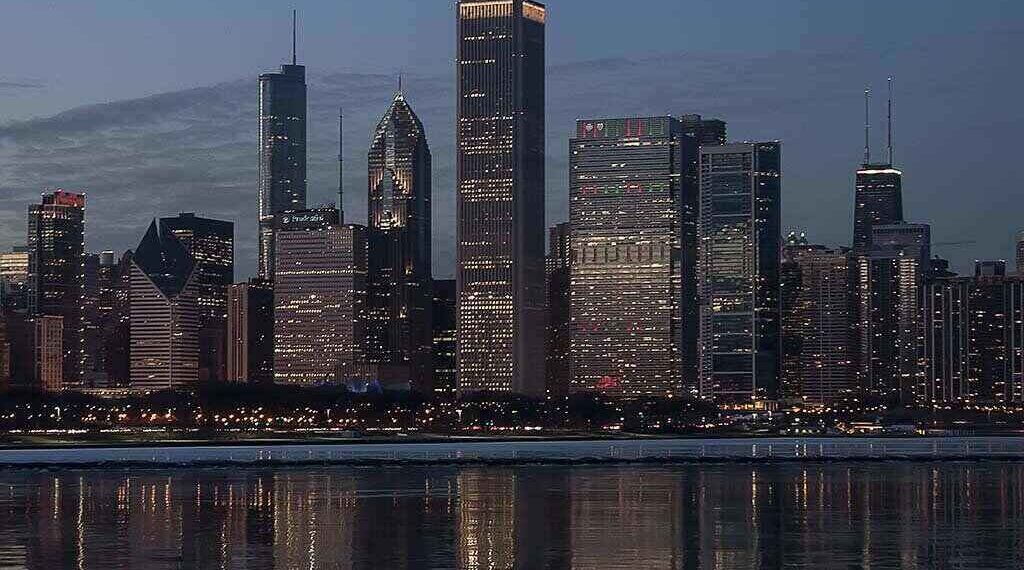
Threat of Wildfire in Chicago
Chicago has a moderate risk of wildfire over the next 30 years.
Meteorologist with the National Weather Service are warning residents of dangerous conditions that could be a threat to the spread of wildfires on Sunday, March 9, 2024.
Due to an threat awake provided by National Weather Service, officials the provision could help fuel the spread of fires, with forecasters asking the public to postpone outdoor burning when possible.
According to National Weather Service parts of western Illinois are also under a threat of red flag warning due to the conditions, according to National Weather Service forecasters.
Tough winds on the south are most likely to blast up to 40 miles per hour all through the day on Sunday, March 9, 2024, according to the NBC 5 Storm Team.
Warm temperatures in the low-70s also could help the fuel to spread of any fires, as could low the temperature at which water vapor can condense, which were in the upper-30s on the following Sunday morning in the city of Chicago.
There is also a chance for scattered showers and thunderstorms later in the day, with a slightly threat of severe weather in the forecast.
There was once a Great Chicago Fire. The fire burned in the American city of Chicago during October 8–10, 1871. The fire:
- Killed approximately 300 people.
- Destroyed roughly 3.3 square miles of the city including over 17,000 structures
- And left more than 100,000 residents homeless.
The fire moved the south branch of the Chicago River and destroyed much of central Chicago. Then, it moved the main stem of the river, consuming the Near North Side.
Damage by Wildfires
Wildfires are costing the U.S. economy between $394-$893 billion yearly in part due to reducing real estate value and increasing the costs of water infrastructure and supply.
After a wildfire the extreme heat can bake the soil to the point that water is unable to penetrate and can cause extreme run off in a post wildfire area.
Wildfires increase air pollution in surrounding areas and can affect regional air quality. The effects of smoke from wildfires can range from eye and respiratory tract irritation to more serious disorders. Additionally, they reduce lung function, bronchitis, exacerbation of asthma, heart failure, and premature death.
Moreover, buildings, furniture, and personal belongings are destroy by fire, leaving behind a tremendous amount of debris and smoke damage.
By Alana Wilson
Source:
CDC: Protect Yourself from Wildfire Smoke
Statista: How Much Damage Do Wildfires Cause?
HEADWATERS: Wildfires destroy thousands of structures each year
Top and Feature Courtesy of Ricardo Faria Flickr Page – Creative Common License
Insert Image Courtesy of John Jackson Flickr Page – Creative Common License




