








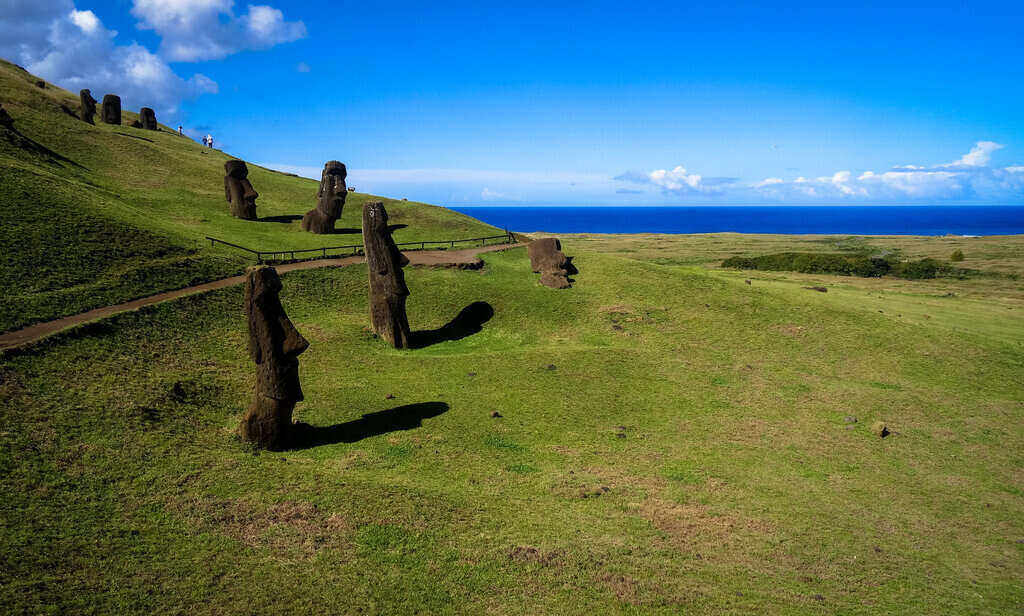
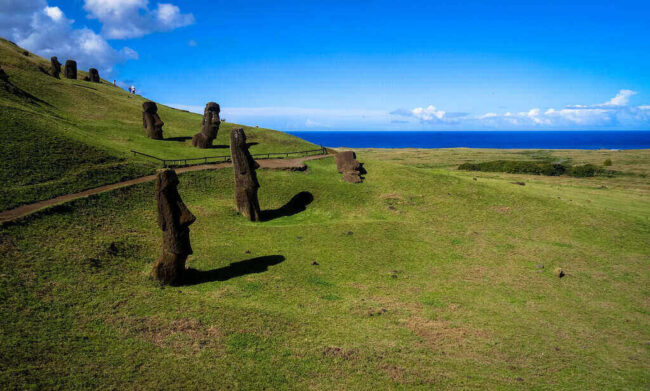
Since January this year, The British Museum has received a surge of social media comments and attention. Activists insist that the museum return a “Maoi” statue to Easter Island. This movement has been encouraged by a Chilean influencer by the name of Mike Milfort.
The influencer had urged his one million followers to hound the museum to return the artifacts. Milfort regularly makes videos and posts about the statues.
The “Moai” that is at the center of the concern is aptly named Hoa Hakananai’a, meaning lost or stolen friend.
British Museum’s Faux-pas
The British Museum has made its way into the news again. However, the reason isn’t very good. Many Chilean citizens and even the Chilean president himself, Gabriel Boric, have been backing the campaign to get the Museum to return two “Moai” statues, otherwise known as Easter Island heads.
The two statues were taken from Rapa Nui, or Easter Island in 1868 by British surveyors.
The Instagram account Of the Museum and the Facebook and YouTube pages have received a torrent of comments, so many that at one point they had locked the comment section on their accounts at some point.
The phrase the protestors seemed to use regularly was ”Devuelvan el moai,” which translates to “give the moai back.”
Chile has made its continuous demands for the return of the statues loud and proud because the island of Rapa Nui is Chilean territory. The island is about 2,300 miles west of the Chilean mainland.
Chile and Rapa Nui History
Easter Island has been wanting to distance itself from Chilean influence as much as possible. The island was annexed by Chile in 1888. Though the Chilean is very adamant about the British returning the moai, Easter Island is perfectly content with the British being in possession of the statues.
The Hoa Hakananai’a statue in London is one of only 14 that are made of Basalt. Basalt is a volcanic rock that. There were roughly 887 moai that were made from 1100 to 1600 C.E. These magnificent states were created to hold ancestral spirits.
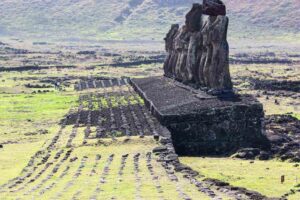
This particular Moai was also found in an ancient building that was used for a ceremonial rite. The building was used for a sacred tradition called the Tangata Manu, or the Bird Man.
During this ceremony, men from different clans would compete for the role of governing the island. The role was given to the first to swim the sea to a distant small island, find an egg from a sooty tern bird, and then bring the egg back intact.
This tradition was annual to help prevent war between clans, this is the reason why Hoa Hakananai’a is deemed a peace symbol.
How They got to the UK
Queen Victoria had received the 4-ton moai as a gift, she then donated it to the museum. In 2018 the governor at the time, Tarita Alarcón Rapu, pleaded with the UK for them to return the statue. Rapu said that the UK had taken the soul of Rapa Nui.
Tarita Alarcón Rapu had also attempted to negotiate a loan. Over the next few years delegates from Easter Island would find themselves contacting the UK to figure out how to approach the situation.
Despite all of this a spokesperson for the museum stated that relations between Easter Island and the UK are healthy and doing well.
However, In 2018, Rapa Nui had asked the British Museum to return both Moai statues. There was then a private meeting held between both parties about the matter. Then, in 2023, a letter was written directly to King Charles asking for the return again. They didn’t receive an answer back from the British Monarch.
Although Easter Island has asked for the return of the moai they aren’t as adamant as the Chilean government.
The Mayor of Rapa Nui, Edmunds Paoa, issued a statement stating, “We are not ruling out that the Hoa Hakananai’a could stay in London and be our great ambassador.” Paoa is just wanting it to “firmly establish that its rightful owner is the culture of Rapa Nui.”
Other Artifacts
The Chilean and Easter Island responses to the Moai In the British Museum aren’t the first times that the museum has been pressed about other cultural artifacts it holds.
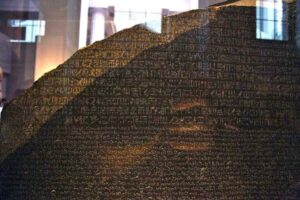
The museum has come under fire before about its’ display of the Egyptian Rosetta Stone as well as other items. The Rosetta Stone was first discovered by The French under Napoleon’s reign in 1799. The stone then came into possession of the British in 1801.
Another item the museum was urged to return was statues from the Greek Pantheon. The museum holds 23 pieces of Greek art that are dated between 447 and 432 BC. The British ambassador, Lord Elgin had removed the artworks from the Ottoman Empire that ruled over Greece around 1801 and 1805.
Lastly, ancient Chinese works of cultural art around 23,000 objects from The Tang dynasty to 907 AD China. Only around a reported 2,000 are on display currently. Despite the public’s unease with the UK having these artifacts, there hasn’t been a request from China to return the items.
Written By AriAnna Rathers
Sources:
The Guardian-British Museum’s Instagram flooded with calls to return Easter Island statue
Independent-Which artefacts have the British Museum been urged to return?
CNN-Activists bombard British Museum’s social media with calls for return of Easter Island statue
Featured Image by Babak Fakhamzadeh’s Flickr Page – Creative Commons License
First Inset Image by Arthur Chapman’s Flickr Page – Creative Commons License
Second Inset Image by insunlight’s Flickr Page – Creative Commons License




