















Greenland is the world’s largest island and is now facing a severe climate crisis, situated between the Arctic and Atlantic Oceans and east of the Canadian Arctic Archipelago. It is an autonomous territory of the Kingdom of Denmark. Here are some significant facts about Greenland:
Geographically, Greenland is notable for its huge ice sheet, which covers over 80% of its area, making it one of the least heavily populated regions on earth. Despite its name, much of Greenland is covered in ice and snow, and only the coastal portions are habitable.
Population
Greenland’s population is mostly Inuit, with a tiny percentage of Danish and other ethnic groups. The capital city is Nuuk, which is located on the southwest coast. Because of Greenland’s harsh environment and inadequate infrastructure, the majority of it’s people is concentrated in coastal towns and settlements.
Culture
Greenlandic culture is shaped by indigenous Inuit customs and Danish colonial background. In
Greenland, traditional pursuits such as hunting, fishing, and dog sledding remain important. However, modernization and globalization have altered the culture and way of life.
Greenland’s economy is based mostly on fishing, mineral exploitation (such as rare earth metal mining and oil exploration), and tourism. Climate change has presented both benefits and difficulties to the region, with melting ice creating new shipping routes and resource exploitation potential while also providing environmental risks.
Greenland attained self-rule in 2009, giving local governments increased decision-making ability, particularly in natural resource management and justice.
Environmental Concerns: Greenland is especially sensitive to the effects of climate change, as the melting of its ice sheet contributes to increasing sea levels worldwide. This has ramifications not only for the ecosystem, but also for indigenous groups, whose way of life is inextricably linked to the land and the sea. Overall, Greenland is a distinct and distant territory with a rich cultural past and great natural value. Economic, environmental, and social variables will all have an impact on its future development and sustainability.
History
Indigenous peoples, the ancestors of today’s Inuit, have lived in Greenland for thousands of years. Norse settlers founded colonies on the island in the tenth century, but they vanished by the fifteenth century. Denmark-Norway claimed sovereignty over Greenland in the 18th century, and the island has been under Danish authority since.
Greenland is part of the Kingdom of Denmark, but it has its own government and parliament, the Inatsisartut. Greenland won home rule in 1979, followed by self-governance in 2009. This transfer of sovereignty has allowed Greenland greater control over its domestic concerns, such as natural resource management, education, and culture.
Climate and geography
Greenland’s climate is arctic, with long, harsh winters and brief, cool summers. The Greenland Ice Sheet covers the majority of the island and is the world’s second-largest ice sheet after Antarctica. The coastal regions, where the majority of the population lives, offer a warmer climate that supports vegetation and wildlife. But lately the ice island has been facing a climate crisis.
Greenland has abundant natural resources, including zinc, lead, gold, and rare earth metals. Oil and natural gas exploration have the potential to drive economic progress. However, development of these resources is difficult due to harsh weather and environmental considerations.
Culture and Language
The majority of Greenlanders are of Inuit heritage, and Greenlandic (Kalaallisut) is the official language alongside Danish. Inuit customs including hunting, fishing, and kayaking are still vital components of Greenlandic society. Traditional attire, music, and storytelling all play important roles in conserving cultural heritage.
Tourism is a thriving economy in Greenland, with visitors drawn to the island’s unspoiled natural beauty, glaciers, fjords, and outdoor activities such as hiking, kayaking, and whale watching. However, tourism development is carefully regulated to minimize environmental impact and respect for local communities.
Greenland confronts a number of problems, including climate change, economic diversification, social issues, and infrastructure development. Climate change impacts, like as melting ice, permafrost thaw, and shifting weather patterns, pose unique dangers to the island’s ecology and way of life.
Despite these obstacles, Greenlandic society is resilient and adaptable, and attempts are being made to address these concerns while conserving the island’s distinctive ecosystem and cultural legacy.
Written By Kyla Hughes
Sources:
The Guardian- Climate experts sound alarm over thriving plant life at Greenland ice sheet
The Daily Herald- Global warming causing Greenland to actually turn green
National Geographic- Exploring the fjords of Greenland’s Scoresby Sound
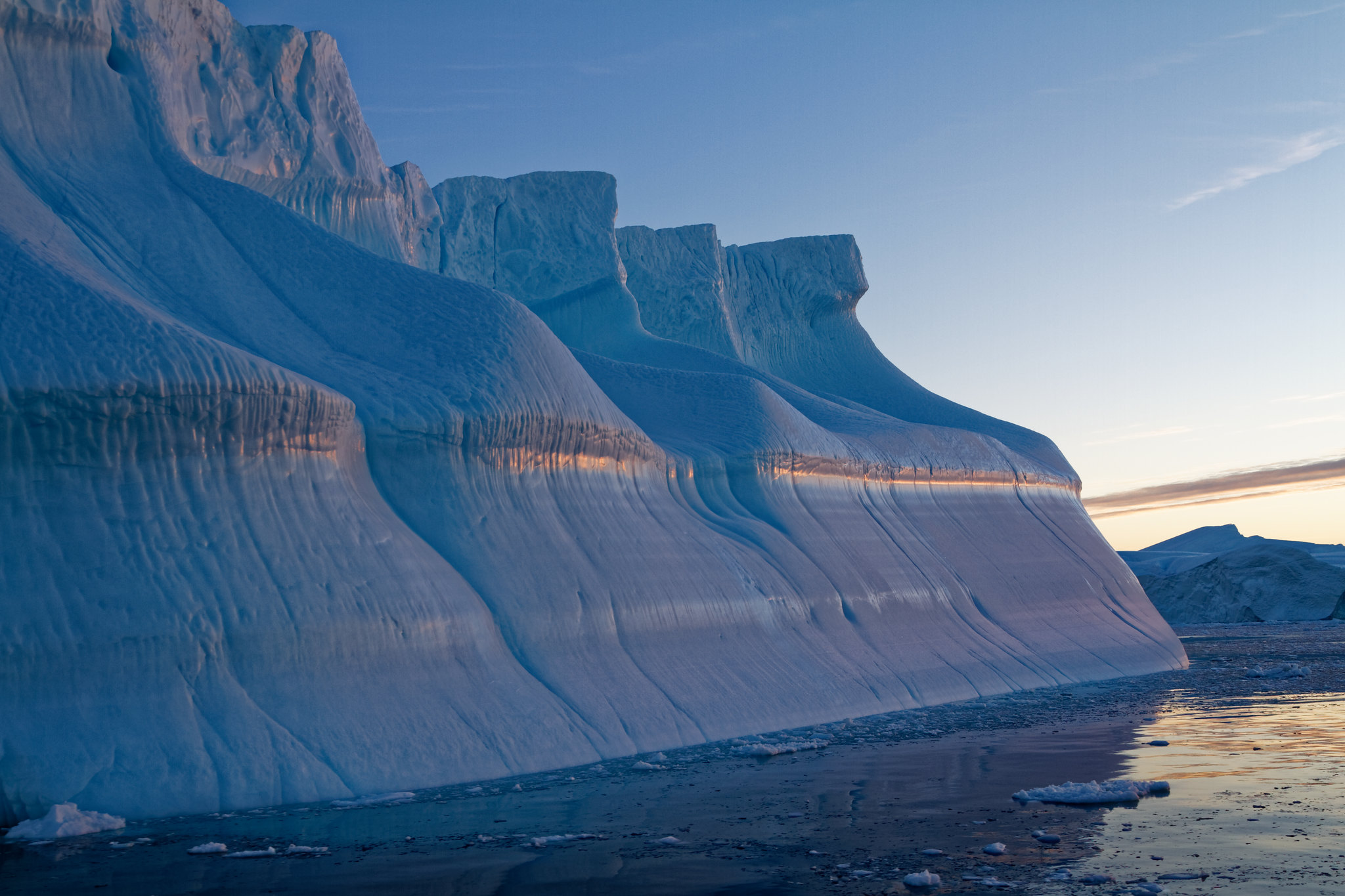
Featured Image Courtesy of Sebastian We’s Flickr Page – Creative Commons License
Inset Image Courtesy of GRID-Arendal – Creative Commons License
Inset Image Courtesy of GRID-Arendal – Creative Commons License




