
















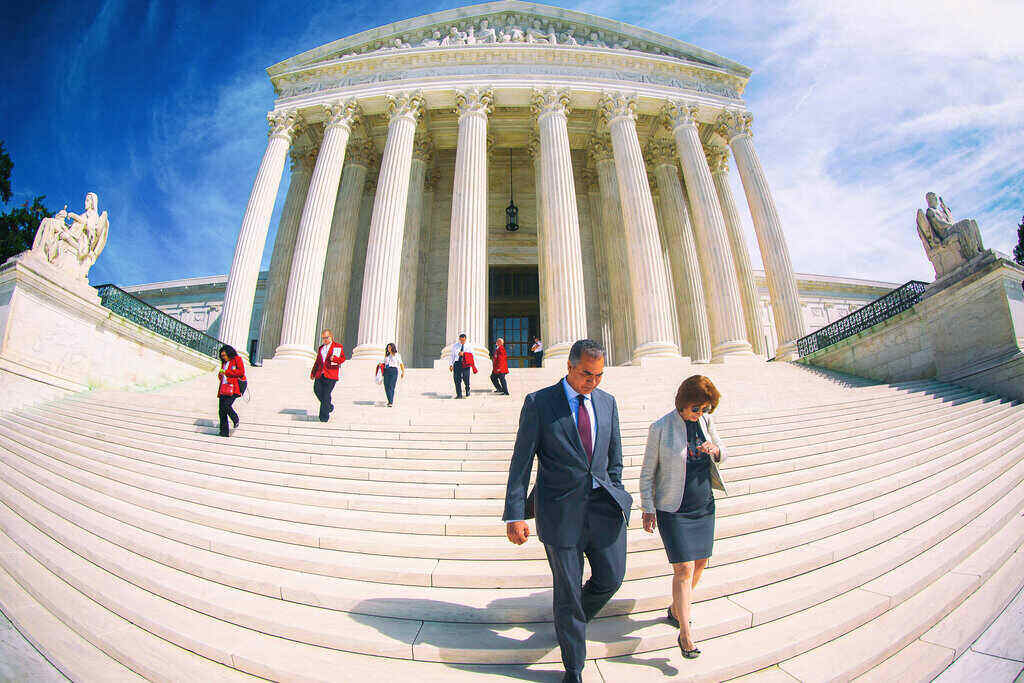
The Beginning
In a landmark ruling, the Supreme Court of [Country] has recently delivered a pivotal decision regarding job discrimination, significantly impacting employment laws and practices. This decision marks a significant step forward in ensuring equal opportunities and fair treatment for all individuals in the workplace. Let’s delve into the intricacies of this ruling and its implications.
Before diving into the specifics of the recent ruling, it’s essential to understand the context of job discrimination and its historical prevalence. Discrimination based on factors such as race, gender, age, religion, or sexual orientation has long plagued workplaces worldwide, leading to unequal treatment and limited opportunities for marginalized groups.
The Case
The case that led to this groundbreaking Supreme Court decision involved [brief overview of the case, parties involved, and key legal arguments]. Central to the case was the interpretation of existing anti-discrimination laws and their applicability in modern employment scenarios.
Legal Interpretation
The Supreme Court’s decision rested on a nuanced interpretation of existing statutes and legal precedents pertaining to job discrimination. By analyzing the language and intent of these anti-discriminatory laws, the Court aimed to ensure a fair and consistent application of these laws across various employment contexts.
One of the significant aspects of the Supreme Court’s ruling was the expansion of protected categories under anti-discrimination laws. The Court recognized the evolving societal understanding of discrimination and extended protections to previously marginalized groups, including [examples of newly protected categories, such as sexual orientation or gender identity].
Clarification of Employer Responsibilities
Another crucial aspect of the decision was the clarification of employer responsibilities in preventing and addressing job discrimination. The Court emphasized the proactive role of employers in fostering inclusive workplaces and highlighted the importance of robust anti-discrimination policies and training programs.

The Supreme Court’s decision is expected to have a profound impact on employment practices across various industries. Employers will need to reassess their hiring, promotion, and termination procedures to ensure compliance with the expanded anti-discriminatory protections. Additionally, HR departments may need to enhance their training programs to educate employees about the updated legal framework.
Challenges and Controversies
While the Supreme Court’s decision represents a significant milestone in the fight against job discrimination, it is not without its challenges and controversies. Some critics argue that the expanded protections could potentially infringe on employers’ rights and lead to increased litigation. Others raise concerns about the practical implementation of the new legal standards and the potential for unintended consequences.
Future Implications
Looking ahead, the Supreme Court’s decision is likely to shape the future trajectory of employment law and practices. It sends a clear message that job discrimination in any form will not be tolerated and underscores the importance of fostering diverse and inclusive workplaces. However, it also raises important questions about the balance between protecting individual rights and maintaining business efficiency.
More Information
the Supreme Court’s recent decision on job discrimination represents a significant victory for equality and justice in the workplace. By expanding protected categories and clarifying employer responsibilities, the Court has taken a crucial step towards ensuring equal opportunities for all individuals. However, the true impact of this decision will depend on how it is implemented and enforced in the years to come. It is imperative for employers, lawmakers, and society as a whole to continue striving towards creating workplaces where diversity is celebrated, and discrimination has no place.
The U.S. Supreme Court facilitated job transfers based on national origin, race, sex, or religion on Wednesday, making it simpler for employees to file employment discrimination lawsuits.
Looking Ahead
As we reflect on the Supreme Court’s landmark decision, it serves as a poignant reminder of the ongoing struggle for equality and justice. While significant progress has been made, the journey towards a truly inclusive society is far from over. It requires sustained commitment, activism, and advocacy to dismantle barriers, challenge prejudice, and build a future where every individual, regardless of who they are or who they love, can thrive and contribute their talents to the fullest extent. In the words of Justice Ruth Bader Ginsburg, “Real change, enduring change, happens one step at a time.” And with this ruling, we take another step forward on the path to a more just and equitable world.
Written by Adrianna Murrell
Sources
NPR – The Supreme Court opens the door to more discrimination claims involving job transfers by Nina Totenberg
Forbes – Supreme Court Expands Employer Risk Of Discrimination Claims by Michelle Travis
Fortune – The latest Supreme Court decision means HR departments must play by a whole new set of rules. Here’s what every CHRO needs to know by Paige McGlauflin
Top and featured image – Courtesy of Thomas Hawk Flickr Page – Creative Commons License
Inset image – Courtesy of Kevin T. Quinn Flickr Page – Creative Commons License




