
















New York City, the epitome of hustle and bustle, is a metropolis that never sleeps. Amidst the dazzling lights and towering skyscrapers, however, lurks a reality that can’t be ignored – the city’s reputation for danger. While New York has made significant strides in reducing crime rates over the years, it still faces unique challenges that contribute to its perception as a risky place to live or visit. To truly understand why New York is often viewed as dangerous, one must delve into the multifaceted factors that shape New York City’s safety landscape.
Urban Density and Crime
The size and density of New York City’s population are the leading causes of safety issues. The city is a swarm of activity, with millions of people passing through its streets every day, and is home to almost 8 million people crammed into a few 300 square miles. Although New York City density adds to its lively energy and cultural diversity, it also poses difficulties for law enforcement and crime prevention.
Due to the sheer volume of people and interactions, high-density metropolitan regions frequently have higher crime rates. Vibrant neighborhoods, crammed subway carriages, and congested streets all provide an environment that is conducive to crime, whether it be small-time stealing, assaults, or more major transgressions. The difficulty facing law enforcement organizations is to efficiently.
Socioeconomic Disparities
Another significant factor contributing to New York City’s safety challenges is its pronounced socioeconomic disparities. While Manhattan boasts some of the wealthiest neighborhoods in the world, other boroughs, such as the Bronx and parts of Brooklyn, struggle with high poverty rates and limited economic opportunities. These disparities create fertile ground for crime to flourish, as communities facing economic hardship are often more vulnerable to involvement in illegal activities.
Furthermore, social instability and violence can result from heightened tensions between various populations caused by socioeconomic imbalances. A number of problems, including unstable housing, high unemployment, and limited access to healthcare and education, can exacerbate desperation and despair, leading some people to turn to criminal activity as a form of revenge or survival.
Complexities of Policing
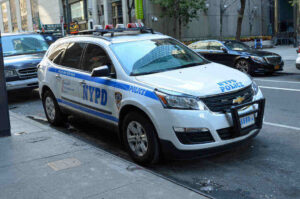
Policing in New York City is a complex and often contentious issue that plays a significant role in shaping the city’s safety landscape. The New York City Police Department (NYPD) is one of the largest and most well-equipped law enforcement agencies in the world, tasked with maintaining public safety across the five boroughs. While the NYPD has made strides in reducing crime rates through initiatives such as community policing and precision policing, it has also faced criticism and controversy over issues such as racial profiling, use of force, and lack of accountability.
It can be more challenging to effectively battle crime when there are tensions between law enforcement and the communities they serve. Tensions can weaken confidence and collaboration. Incidents of police misconduct or brutality have the potential to further damage public trust in the criminal justice system, resulting in feelings of alienation and animosity in some communities.
Addressing the Root Causes
To truly address the safety challenges facing New York City, it’s essential to tackle the root causes of crime and violence. This requires a multifaceted approach that goes beyond traditional law enforcement measures to address issues such as poverty, inequality, and lack of opportunity. Investing in education, job training programs, affordable housing, and community resources can help uplift disadvantaged communities and provide alternatives to a life of crime.
Moreover, fostering dialogue and collaboration between law enforcement agencies, community organizations, and residents is crucial for developing effective strategies to prevent crime and promote public safety. By working together to address the underlying social and economic factors that contribute to crime, New York City can build a safer and more resilient future for all its residents.
New York City’s Future and Safety
While New York City may have a reputation for intense safety issues, it’s important to recognize the complexities that shape its safety landscape. From urban density and socioeconomic disparities to policing challenges and the need for community investment, there are myriad factors at play. By addressing the root causes of crime and violence and fostering collaboration between stakeholders, New York City can work towards creating a safer and more equitable environment for all who call it home.
Written by Ashley Moore
Sources:
The Buffalo Injury Law Firm: Unpacking new York’s trucking accident laws
Mayors Office of Criminal Justice: The mayor’s action plan for neighborhood safety-NYC
Vox: How dangerous is it in New York City, anyway?
Featured Image Courtesy of bradhoc Flickr Page – Creative Commons License
Inset Image Courtesy of Emergency_Vehicles Flickr Page – Creative Commons License




