
















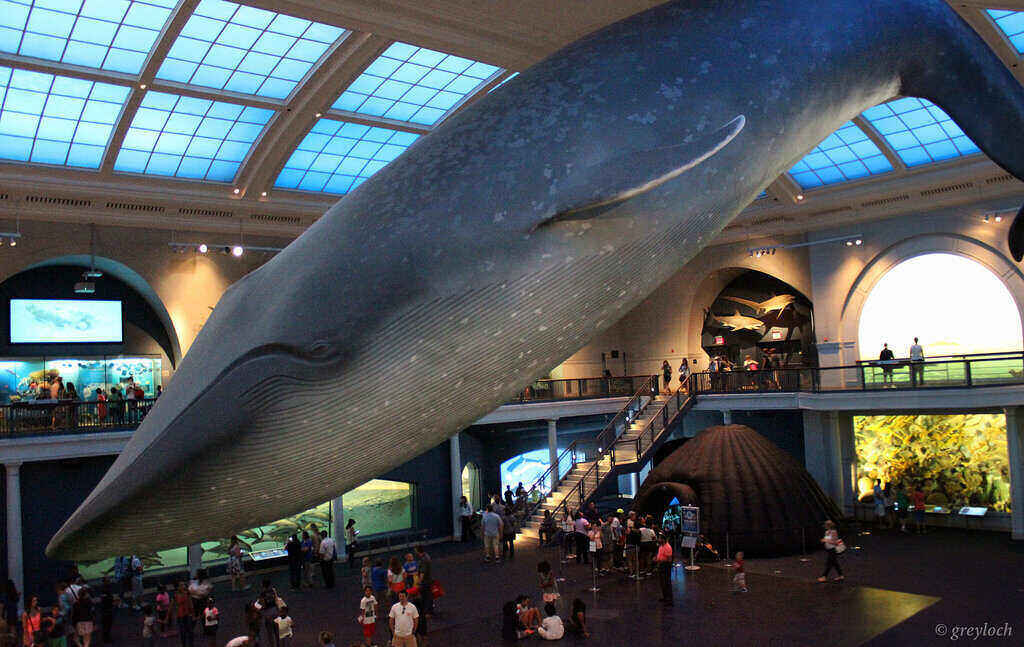
The blue whale (Balaenoptera musculus) is the biggest living creature ever documented in existence, impressive not only for its size but also for its intriguing ecological and biological characteristics. Recently, the discovery of blue whale hybrids has generated significant interest in the scientific community. These hybrids, resulting from interbreeding between blue whales and other whale species, present a unique opportunity to study evolutionary processes, genetic diversity, and conservation challenges. This essay explores the implications and significance of blue whale hybrids.
Understanding Hybridization in Whales
Hybridization refers to the process where individuals from two different species mate and produce offspring. In the case of whales, hybridization is relatively rare but not unprecedented. In what way Are Blue Whales Creating Hybrids? Blue whale hybrids have been identified primarily through genetic analysis, which reveals the mixing of genetic material from blue whales and other closely related species such as fin whales (Balaenoptera physalus). The occurrence of these hybrids suggests that blue whales can successfully mate with other species within the Balaenoptera genus, leading to viable offspring.
Genetic Implications and Biodiversity
The presence of blue whale hybrids has important genetic implications. Hybridization can increase genetic diversity, which is crucial for the adaptability and resilience of populations. For blue whales, which have faced severe population declines due to historical whaling, hybridization might introduce new genetic variations that could enhance their ability to adapt to changing environmental conditions.
However, hybridization also poses risks. The mixing of gene pools from different species can lead to outbreeding depression, where hybrids might have reduced fitness compared to their purebred counterparts. This can occur if the hybrid offspring inherit maladaptive traits or if the genetic differences between the species are too significant. Therefore, understanding the genetic health and viability of hybrid individuals is essential for assessing the long-term impacts on whale populations.
Evolutionary Insights
Hybridization provides valuable insights into the evolutionary processes that shape marine mammal species. By studying blue whale hybrids, scientists can learn about the evolutionary history and relationships between different whale species. This can reveal how species have diverged over time and the role of natural selection in shaping their genetic makeup.
Furthermore, hybridization events can act as natural experiments, which offers a glimpse into how species might adapt to new ecological niches or environmental pressures. For instance, hybrid whales might exhibit unique traits that enable them to exploit different food sources or habitats, providing clues about the ecological flexibility and evolutionary potential of these species.
Conservation Challenges
The discovery of blue whale hybrids also presents challenges for conservation efforts. Blue whales are currently listed as endangered on the International Union for Conservation of Nature (IUCN) Red List, primarily due to past whaling activities and ongoing threats such as ship strikes and entanglement in fishing gear. Conservation strategies are typically based on protecting and managing pure species populations. However, the presence of hybrids complicates these efforts.
Conservationists must consider whether hybrid individuals should be included in population estimates and management plans. If hybrids are fertile and capable of reproducing, they could contribute to the overall genetic diversity and resilience of whale populations. Conversely, if hybrids face higher mortality rates or reproductive challenges, their presence might indicate underlying issues that need to be addressed.
Research and Monitoring

How can blue whales birth hybrids? Continued research and monitoring are essential for understanding the implications of blue whale hybridization. Genetic studies can help identify the extent of hybridization and its impact on population dynamics. Tracking the movement and behavior of hybrid whales through satellite tagging and acoustic monitoring can provide insights into their ecological roles and interactions with other species.
Additionally, public awareness and education about the significance of hybrid whales can foster support for conservation efforts. Engaging communities, stakeholders, and policymakers in protecting marine habitats and reducing human-induced threats is crucial for ensuring the survival of both pure and hybrid whale populations.
Conclusion
The phenomenon of blue whales producing hybrids opens new avenues for scientific research and conservation. While hybridization can enhance genetic diversity and provide evolutionary insights, it also poses challenges for species management and conservation strategies. By advancing our understanding of blue whale hybrids, we can better appreciate the complexity of marine ecosystems and develop more effective approaches to preserving these majestic creatures and their habitats. The study of blue whale hybrids underscores the need for comprehensive and adaptive conservation efforts in the face of a rapidly changing world.
Written By Kyla Hughes
Sources
Live Science – Hidden DNA found in blue whales reveals they’ve been mating with other species — and their hybrid offspring
The Weather Channel – Endangered Blue Whales in the North Atlantic Are Breeding Outside Their Species! | Weather.com
First Inset Image Courtesy of Kenny Flickr Page – Creative Common License
Second Inset Image Courtesy of James Maughn Flickr Page – creative Common License




