

















Let’s dive into the wonderful world of Autism Awareness Month! Every April, people from all walks of life come together to shine the spotlight on autism spectrum disorder (ASD). It’s time to spread understanding, acceptance, and support for individuals with autism. So, grab your curiosity and let’s explore the incredible initiatives, events, and advocacy efforts that make this month so special!
What is Autism ?
Autism is a neurodevelopmental disorder that affects how a person communicates, interacts with others , and experiences the world around them. It is a spectrum disorder, which means that it affects individuals differently and to varying degrees.
Some people with neurodevelopmental disorder may have difficulty with interactions , sensory sensitivities, repetitive behaviors, or communicate challenges. However, It’s essential to remember that each person with autism is unique and has their own strengths and abilities.
Autism Color
April is Autism Awareness Month, and the colors associated with it are blue and light blue. Blue represents support and understanding for individuals with autism, while light blue symbolizes hope for a brighter future. These colors help raise awareness about neurodevelopmental disorder and promote acceptance and inclusion for individuals with autism.
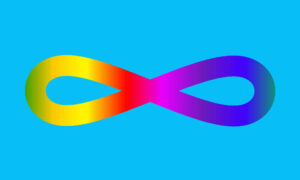
Autism Awareness Month
During Autism Awareness Month, various organizations and communities come together to promote acceptance, inclusion, and support for individuals with autism, dispel myths and misconceptions, and foster a more inclusive society. One of the key goals of Autism Awareness Month is to spread awareness about early intervention and diagnosis.
Early identification and intervention can significantly improve outcomes for individuals with autism. By recognizing the signs and symptoms of autism early on, parents, caregivers and educators can provide appropriate support and resources to help individuals thrive. Another important aspect of Autism Awareness Month is promoting understanding and acceptance. It’s crucial to create an inclusive environment where individuals with autism feel valued and respected. This can be achieved by educating others about autism, encouraging empathy, and embracing neurodiversity. By celebrating the unique strengths and abilities of individuals with autism, we can build more inclusive society that appreciates and values everyone’s differences
Acceptance Day
This day is held on April 2 which is the day that people wear blue acceptance is a powerful concept that can have a profound impact on our lives. When we embrace acceptance, we open ourselves up to new possibilities and experiences. It allows us to let go of judgement and criticism, and instead, foster understanding and empathy. Acceptance teaches us to appreciate the uniqueness of each individual, celebrating diversity and promoting inclusivity. By practicing acceptance, we create a more harmonious and compassionate world, where everyone feels valued and accepted for who they are.
Autism Level’s
Level’s of ASD are defined in the Diagnostic and Statistical Manual of Mental Disorders, 5th Edition (DSM-5). The 5th edition provides the 3 levels of autism.
- ASD Level 1: Requiring Support. Level 1 ASD describes people who do not need a lot of support.
- ASD Level 2 : Requiring Substantial Support. People diagnosed with ASD level 2 have a harder time masking than those diagnosed with level 1 and may find it hard to communicate or socialize
- ASD Level 3 : Requiring Very Substantial Support. People with level 3 diagnoses need the most support and are subsequently at very high risk for neglect, abuse, and discrimination.
Autism Awareness Month serves as a powerful reminder of the importance of understanding and embracing neurodiversity. By fostering a society that celebrates differences and promotes inclusivity, we can create a world where individuals on the autism spectrum can thrive.
Written by Genesis Nichols
Sources:
Centers for Disease Control and Prevention: What is Autism Spectrum Disorder ?
Autism Speaks: World Autism Month
The Place for children with Autism: The three Levels of Autism: Diagnosing Autism
Top and featured image Courtesy of George Wesley and Bonita Dannells’ Flickr Page – Creative Commons License
Inset image Courtesy of Nata Luna Sans’ Flickr Page – Creative Commons License




