















First Batch of Radioactive Water
On September 11, Japan confirmed that the first round of treated radioactive water from the Fukushima Daiichi Nuclear Power Plant had been disposed of. The process was started on Thursday, August 24. Around 7,800 tons of treated radioactive water have been dumped into the Pacific Ocean. Moreover, later this month another 7,800 tons are expected to be disposed of.
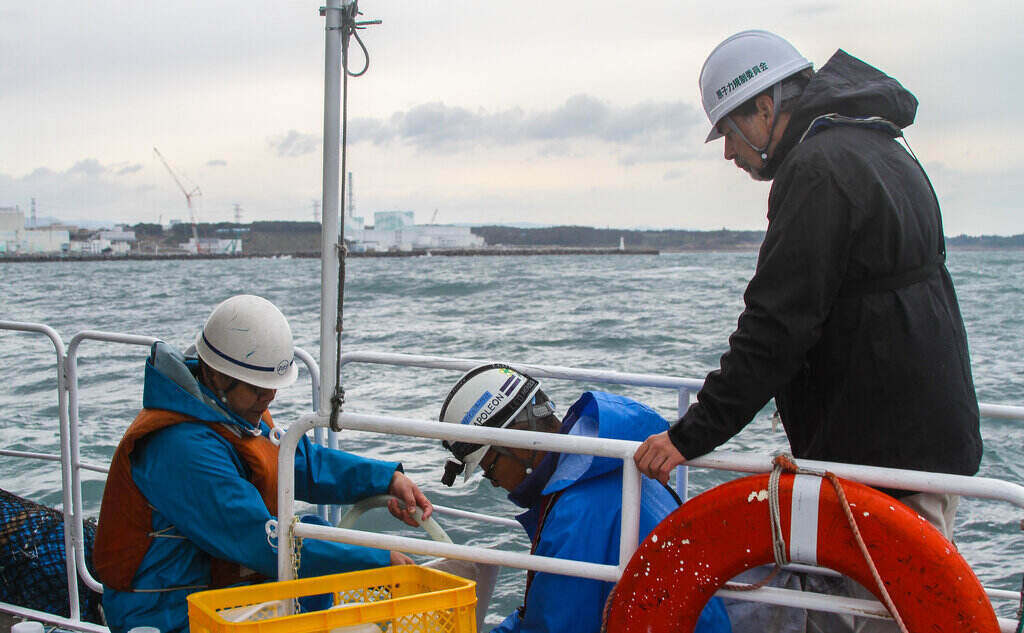
Tokyo Electric Power Company Holdings (TEPCO) is the operator of the Fukushima plant and has overseen the necessary actions to clean up the waste since the March 11 reactor meltdowns. This is part of a more than decade-long plan to rid the plant of its excessive amounts of contaminated water. The International Atomic Energy Agency (IAEA) has approved and will be monitoring the process.
Even so, local fishermen are averse to the dumping of the treated radioactive water. Although IAEA is regularly testing the water and fish, they fear about effects on their market and product quality.
China was also very against the discarding process, going as far as banning the import of seafood from Fukushima and nine other prefectures. Furthermore, Mainland China and Hong Kong are Japan’s largest international buyers. Although the main market for Japanese fish is domestic.
Fukushima Daiichi’s Meltdown
On March 11, 2011, a magnitude 9.0 earthquake hit the northeastern coast of Japan, causing a massive tsunami that hit the power plant. This caused three reactors to have meltdowns, eventually leading to the No. 1 reactor having a hydrogen explosion. Following that, the two other reactors had similar explosions over the next few days.
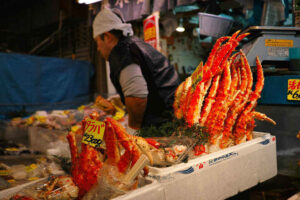
Following this, more than 10,000 tons of low-level contaminated water was released from the Fukushima plant on April 4, 2011. The excessive water is a result of pumping cooling water to cool off the reactors. The plant operator, TEPCO, released the contaminated water to make room for the storage of the more highly radioactive water. The dumping of the contaminated water upset local fishmongers and fishermen. However, the government and TEPCO reassured them they wouldn’t release contaminated water without their “understanding.”
Through government investigations, it was found that TEPCO was too slack with safety and crisis management at the Fukushima plant. Nonetheless, actions were taken to start the decade-long decommissioning process.
Such as the 2014 removal of nuclear fuel rods from the No. 4 reactor cooling pool and the implementation of an Advanced Liquid Processing System (ALPS). A filtration system that removes most radionuclides except tritium. However, the reaming tritium is then diluted to one-fortieth of the concentration permitted under Japanese safety standards.
Additionally, an underground frozen wall around the four reactors is used to keep groundwater from leaking into the basement of the reactors and mixing with the highly radioactive cooling water.
China’s Opposition
China has been very staunch about its opposition to the release of treated water. China has started to test all Japanese seafood imports for radiation. Furthermore, on July 7, 2023, Chinese customs banned seafood from ten prefectures, including Fukushima due to the radiation concerns. Japanese Prime Minister Fumio Kishida disputed the concerns of Chinese officials while speaking to reporters. He reminded officials that the IAEA has approved the plans to release more than one million tons of treated water into the Pacific over the next 30-40 years.
Japanese government officials also state that there is an urgency to dispose of the water due to the tanks almost reaching capacity. Kishida and other Japanese officials are still working on showing other international groups that the treated water removal process is safe.
Now, China is doing inspections on seafood from 47 prefectures. This is leading to worry about the rot of the product due to the time used for checks. Nevertheless, the European Union announced its lift on Japanese seafood that started in 2013 after the nuclear meltdowns. Kishida also told reporters he is willing to meet Chinese President President Xi Jinping to further discuss the ongoing plans for disposal.
Written by AriAnna Rathers
Sources:
AP News: Events at Fukushima Daiichi nuclear plant since the 2011 earthquake, tsunami and nuclear disaster
Japan Times: China’s blanket radiation testing could spell trouble for Japanese seafood imports
Japan Times: First round of release of treated Fukushima water completed
BBC: Fukushima: The fishy business of China’s outrage over Japan’s release
Featured and Top Image by IAEA/David Osborn Courtesy of IAEA Imagebank’s Flickr Page – Creative Commons License
Inset Image Courtesy of bethom33’s Flickr Flickr Page – Creative Commons License




