
















Dairy products are typically a staple in some American households. Whether that’s cheese for your sandwiches, sour cream for your tacos, or the yogurt in your parfaits. However, recently there’s been a listeria outbreak in dairy products sold at select grocery stores.
Reasoning for Recalls
Recently, Rizo-Lopez Food Inc. put out a widespread recall on their dairy products due to possible listeria contamination. The FDA say that there’s proof linking the company’s products to the ongoing outbreak. According to health officials, this epidemic has been under investigation for approximately 10 years. Triggering the reopening of the investigation is a voluntary recall that Rizo-Lopez had earlier this year in January. This recall being due to Hawaii state officials finding traces of the bacteria in their Cotija cheese.
Several prominent grocery stores, such as Walmart and Whole Foods, have been taking various contaminated products off their shelves. These products include cheese (in salad and taco kits), dressings, sour cream, and yogurt. Such items were distributed by various subsidiaries of Rizo-Lopez. Since then, the manufacturing plant in Modesto, CA has been closed down.
Details on the Outbreak
Due to this outbreak, there have been 26 people who have fallen sick due to the consumption of the products; 23 hospitalizations and two fatalities to be exact. According to the CDC, majority of these cases take place in these 11 states:
- California.
- Nevada.
- Arizona.
- Georgia.
- Tennessee.
- Colorado.
- Florida.
- North Carolina.
- Texas.
- Oregon.
- Washington.
Although there’s 26 confirmed cases of listeria infection, the CDC believes that there’s possibly more cases that are unreported due to the fact that some don’t have health insurance or have already recovered from the illness.
What is Listeria?
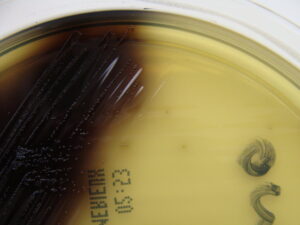
Listeria, also known as Listeriosis, is a foodborne bacterial infection. The infection coming from the bacterium listeria monocytogenes. The bacterium is commonly found in humid environments, such as soil and water. As well as decaying vegetation and animals. These monocytogenes are typically seen in improperly processed deli meat and unpasteurized dairy products.
This illness poses a major threat to those with poor immune systems, older people (anyone 65 or older), young children and pregnant individuals. For those who are pregnant, this infection can result in miscarriages and/or stillbirths. For older people, this illness can even result in death. Now those with a healthy immune system may only experience the symptom of listeria for a short period of time.
Mild symptoms of infection include fever, muscle and stomach aches, excessive fatigue, nausea, vomiting and diarrhea. Now symptoms can take effect as a early as the same day or as late as 2 years. More serious symptoms include a high fever, severe headaches, stiff neck, confusion and convulsions. These symptoms suggest that you possibly may have bacterial meningitis.
What to Do and How to Protect Yourself From Listeria
Now this bacterium is known to survive refrigeration and even freezers. So the longer the bacteria is left to fester, the more it is going to grow. So here’s some tips and protocols to prevent yourself from getting listeriosis.
- Thoroughly clean the walls and shelves of your refrigerator, cutting boards, cutlery, and countertops that have possibly come into contact with the bacteria. Then disinfect the areas with the mixture of chlorine bleach (1 tbsp.) and hot water (1 gallon). Lastly, dry with a fresh cloth or paper towel.
- Consistently clean refrigerator and any spillage.
- For those who are high risk of infection, be sure to refrain from eating any unpasteurized or raw dairy products, fish or vegetation.
- Be sure to thoroughly wash hands with warm water and soap for approximately 20 seconds before and after handling raw food.
- To hinder growth of the monocytogenes, keep your refrigerator between the temperatures of 38-40 degrees Fahrenheit and freezers between 0-5 degrees Fahrenheit. As well as consistently checking the temperature.
- For those who have pet(s), be sure to not cross-contaminate when preparing your pet’s food to lower the risk of exposure to those who are considered high-risk of infection.
- With ready-to-eat foods, be sure to eat by the “Use by” date or else listeria will begin to fester and grow.
Be Safe and On the Lookout
With this recall, please be sure to look out and check the ingredients of products. If you are feeling any sort of symptoms to go to your doctor right away and receive treatment. Be safe and stay clean.
Written by Saniya Fields
Sources:
CNN – Cheese, yogurt and dairy recall: Here’s a list of items linked to Listeria outbreak by Mira Cheng
FOX Business – Deadly listeria outbreak prompts dairy product recall at Costco, Walmart and others by Chris Pandolfo
Food Safety News – Dozens more products recalled in relation to deadly outbreak of Listeria infections by News Desk
Mayo Clinic – Listeria Infection by Mayo Clinic
FDA – What You Need to Know About Preventing Listeria Infections by FDA
Top and featured image Courtesy of Lynn Friedman’s Flickr Page – Creative Commons License
Inset image Courtesy of Nathan Reading’s Flickr Page – Creative Commons License




