
















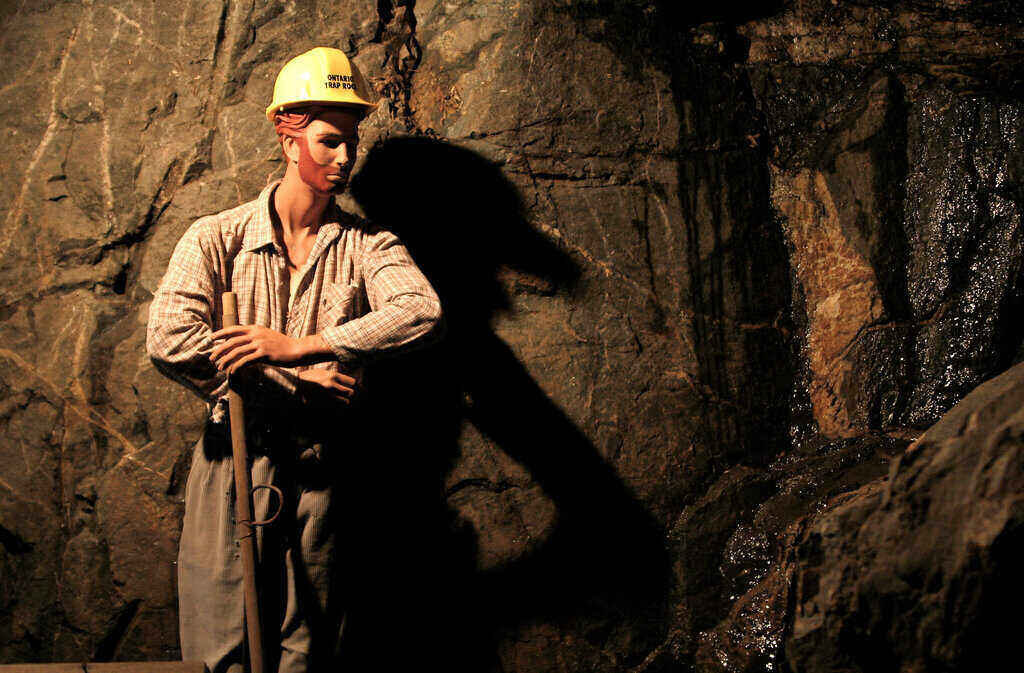
Mining is the process of removing rich rocks, ores, and other earthly elements from the Earth’s crust. These materials often found in deposits beneath the Earth’s surface and mined. Like some industrial use, manufacturing, construction, and energy production. Digging has various stages, including exploration, removing, processing, and reclamation.
Stages of Mining
Exploration: The initial stage of mining is to locate possible mineral resources using earthly surveys, satellite imaging, and exploration drilling. Geologists and mining engineers use the data to assess the deposit’s size, grade, and economic viability.
Extraction: Mining processes vary based on the deposit type and location. Surface mining techniques, like open-pit and strip mining, used to harvest rocks near the surface. Deeper deposits access using underground digging processes like shaft digging and drift digging.
Processing: After extraction, the raw materials treat to extract the desired rocks or metals. This could include crushing, grinding, sorting, and concentrating the ore to remove precious rocks from waste rock or other impurities. Various processing procedures are utilized depending on the composition of the ore and the intended end result.
Refining: In some circumstances, more refining is necessary to purify the extracted minerals or metals. Smelting, electrolysis, and chemical treatments are examples of refining procedures that eliminate impurities and generate high-purity materials. Its suitable for use in manufacturing or other applications.
Mining in Chicago
In Chicago, digging primarily refers to the exploitation of natural resources like coal, clay, and limestone, opposed to digging operations related with minerals like gold and copper. Chicago played an important part in the coal business in the late nineteenth and early twentieth century.
Coal Mining: Chicago did not have any coal mines inside its city limits, it served as a significant transportation and distribution hub for coal mined in adjacent regions, primarily southern Illinois. The city’s location on Lake Michigan, combined with its enormous railroad network, made it an important hub for coal distribution to Midwest industries, businesses, and households.
Industrialization: The availability of coal helped Chicago’s rapid industrial growth in the late nineteenth and early twentieth century. Coal used as a key fuel source to power companies, generate electricity, heat buildings, and fuel transportation, propelling the city’s economic development and urbanization.
Environmental Impacts: Coal essential to Chicago’s industrialization, it had serious environmental implications, like air and water pollution. The use of coal for energy generation contributed to air pollution and haze in the city, raising health concerns and causing environmental damage.
Where can you Mine in Chicago
Mining activities like coal extraction aren’t viable in Chicago because the city’s metropolitan nature and the lack of major mineral reserves in its immediate vicinity. Various mining-related activities or industries may operate in or around Chicago, if they don’t include typical digging operations. Here are some instances:
- Construction Aggregate Mining: Sand and gravel deposits in Chicago mine are for use in building materials like concrete and asphalt. These operations generally employ surface digging techniques and are overseen from local governments.
- Industrial Quarrying: In the Chicago area, limestone, gravel, and other industrial minerals may be quarried. These materials are utilize in construction, manufacturing, and other industrial applications.
Overall, digging activities are not permitted within the city limits of Chicago. There may be mining-related activities or industries in the neighboring areas, like infrastructure projects involving excavation or material extraction. These operations are usually subject to governmental scrutiny and environmental concerns.
Outcomes of mining in Chicago
Digging played an important role in Chicago’s development during the late nineteenth and early twentieth centuries, primarily through the distribution and use of coal mined in adjacent regions. While Chicago was not a big coal digging center, the proposed transportation and distribution of coal had various effects on the city.
For example, ways the center could effect the city include:
- Industrial Growth: The availability of coal aided Chicago’s fast industrialization in the late nineteenth and early twentieth century. Coal was the primary fuel source for powering companies, producing electricity, and heating houses. The supply of coal fueled the expansion of several businesses, including manufacturing, steel manufacture, and transportation.
- Economic Development: The coal trade helped Chicago’s economy by producing jobs, promoting commerce, and drawing investment to the region. The coal industry created a network of enterprises involved in transportation, storage, and distribution, which boosted the city’s economic prosperity.
- Urban Expansion: The availability of coal aided in the expansion of Chicago’s urban area, as industries and enterprises expanded to meet the city’s industrial needs. The demand for coal prompted the construction of infrastructure such as train lines, ports, and storage facilities, facilitating the city’s growth.
Not to mention the area the proposed digging center will be is already facing disproportionate health risks. Which is why many people are opposed to the coal digging happening on in the South Side neighborhood.
By Thamara Dunlap
Sources
Encyclopedia of Chicago: Coal Mining
Illinois Department of Natural Resources: Illinois Mining and Minerals
WTTW: Proposal to Allow Mining in Chicago Raises Environmental, Public Health Concerns on Southeast Side
Featured Image Courtesy of kerriemv‘s Flickr Page – Creative Commons License
Inset image Courtesy of Sandor Weisz‘s Flickr Page – Creative Commons License




