













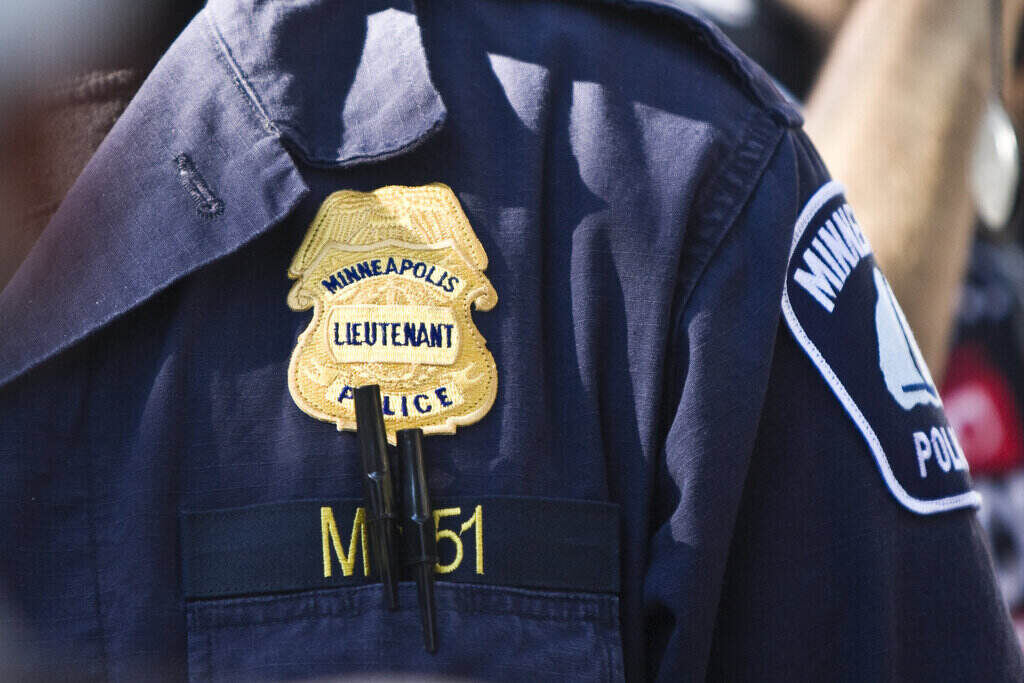
For two years, the Department of Justice has investigated the Minneapolis Police Department, and the city, over its patterns and practices. The DOJ released its joint collaborated findings today, June 16. Other than the U.S. Department of Justice Civil Rights Division, the U.S. States Attorney’s Office District of Minnesota Civil Division helped gather the data.
Start of DOJ’s Investigation
The investigation into the MPD and the city of Minneapolis was opened on April 21, 2021. Almost a year after the murder of George Floyd and not long after Derek Chauvin had been convicted for his death. Prior to the weeks of civil unrest which followed Floyd’s death, the city had generated numerous outcry over other MPD officers’ actions.
During the federal investigation, the DOJ and local State Attorney’s office focused on the Minneapolis Police Department as a whole. As opposed to individual officers. The investigation discovered “that the systemic problem in MPD made what happened to George Floyd possible.”
Violations Found
Additionally, the DOJ found there was reasonable cause to believe the MPD and the city of Minneapolis have engaged in patterns and practices that strip people of their rights. For example, some of the Constitutional and federal law rights violated are:
- The Minneapolis Police Department “uses excessive force.” Such as “unjustified deadly force and other types of force.”
- MPD was found to “unlawfully discriminate against” Native American and Black individuals “in its enforcement activities.
- The DOJ discovered the Minneapolis Police Department has violated the rights of individuals “engaged in protected speech.”
- Both the City and MPD discriminate against individuals “with behavioral health disabilities when responding to calls for assistance.”
Uncovering Problems in the Police Department
 Furthermore, the investigation uncovered deficiencies in MPD’s training, supervision, officer wellness programs, and accountability systems. Ultimately, these deficiencies helped contribute to the violations of the Constitution and federal laws.
For years, the police department utilized dangerous weapons and techniques. They would use them against individuals who committed petty offenses. The DOJ also established the MPD would also use brute force against those who committed no offense at all.
Additionally, the Minneapolis Police Department was found to have used force to punish those who criticized the police or angered the officers. Based on a neighborhood’s racial composition, the department used different patrol methods. Furthermore, they used racial discrimination when handcuffing and searching individuals. Officers displayed racism when “using force against people during stops.”
Issues Found in the City of Minneapolis
The investigation found the City had sent law enforcement to behavioral health-related 911 calls, even when authority presence wasn’t warranted. Sometimes the unnecessary presence of law enforcement caused the situation to end in “tragic results.”
After reviewing thousands of incident files, body camera videos, and documents, the DOJ was able to deduce a conclusion in its investigation. Additionally, they also based their findings on ride-a-longs and conversations with city employees, community members, mental health providers, and Minneapolis police officers.
Looking Forward
Notably, the police department and city have already begun to take steps to reform. For example:
- The Minneapolis Police Department now prohibits the use of neck restraints.
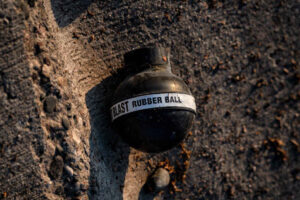
- Officers are not allowed to use certain crowd control weapons without prior consent from the police chief.
Additionally, the MPD banned the use of “no-knock” warrants after the 2022 death of Amir Locke. The city of Minneapolis has launched a behavioral health response program. This way, trained mental health professionals will respond instead of officers.
Understanding More Is Needed
Both the police department and the city have acknowledged it needs reform. They understand they have taken steps towards reform, however, know they still have challenges ahead.
Mayor of Minneapolis, Jacob Frey, admitted the city needs “help changing and reforming this department.” He added that the reforms spread within “the department itself.”
By Sheena Robertson
Sources:
The United States Department of Justice: Justice Department Finds Civil Rights Violations by the Minneapolis Police Department and the City of Minneapolis
The New York Times: Minneapolis Police Scathing Report Exposes Racist and Unconstitutional Policing
ANC 75 KSTP-TV: DOJ announces results of federal probe into Minneapolis Police
Top and Featured Image Courtesy of Tony Webster‘s Flickr Page – Creative Commons
Inset Image Courtesy of Tony Webster‘s Flickr Page – Creative Commons License




