














Residents of the Chicago South Side face a new and welcoming addition to the neighborhood as the University of Chicago reveals plans for a dedicated cancer treatment center. On January 24, 2023, a virtual Ward meeting was called to the attention of UChicago’s plans to start construction in the year 2023 and be completed by 2027.
While plans for a new Chicago medical center are underway, the U.S. is already experiencing a surprising shortage of suppliable cancer medications.
How Hospitals Approach the Cancer Drug Shortage
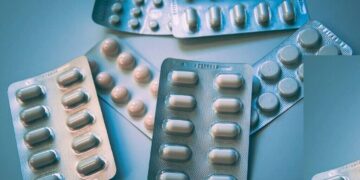
Right now: if anyone is a cancer patient in the U.S. chances are a treatment injection may not be readily available. At the rate of available medicine today, many Doctors address the shortage as something to be seen as a “national emergency.” Facilities are instead forcing employees to ration available treatments between lists of their most critical patients and most “curable” ones.
Facilities now schedule treatments on a day-by-day basis because supply is so low. Florida Cancer Specialists CEO, Nathan Walcker, equates the massive lack of treatments to three things:
- Delayed cancer screenings due to the Pandemic finally making an appearance, thus equating to a sudden spike in treatment needs.
- Supply chain issues.
- Lack of incentive for manufacturers to create the low-cost drug.
From the Medical Oncology Associates of San Diego, medical oncologist Kristen Rice points out how:
It doesn’t seem like there’s much sense of urgency to fix the problem. – I honestly don’t understand why patients are not rioting in the streets about this.
Rice along with other coworkers, has to sort through over a dozen patients that can not receive treatment in the coming weeks based on their current supply. After reviewing lists of incoming and current patients, they consider two things:
1) Are there any other drugs we can reasonably substitute? 2) Can we delay or reduce the dose without negatively impacting their outcome? If not, we are forced to send them away from our clinic to a hospital infusion center that still currently has these drugs on hand — These are not questions any oncologist in the most highly resourced country in the world should be forced to ask.
The prevalent drug that has dipped below the radar is the supply of cisplatin and carboplatin. As the two drugs are the most effective to treat lung, breast, bladder, ovarian, endometrial, and head and neck cancers, and companies no longer manufacture alternative drugs similar to the two platinum-based products, America faces a serious question.
What will fix this?
Behind the scenes of many U.S. hospitals, Rice explains that the:
Economics of manufacturing generic drugs are broken. Most drugs in short supply are older generics that are off-patent and complicated to manufacture. Combine those attributes with extremely thin profit margins, and companies are dis-incentivized from manufacturing them.
It is only by January of this year that doctors started cutting back on treatments. But it is more than just two brands of drugs disappearing from the shelves.
A Shortage of breast cancer, leukemia, and lymphopenia drug, doxorubicin, slowly appears. Moreover, 5-Fluorouracil and generic nab-paclitaxel, one able to treat various gastrointestinal cancers and the other used in therapeutic appointments for pancreatic and metastatic breast cancer, are also disappearing.
To fix this shortage and effectively stop it from happening in the future is a list of systematic changes:
- More Flexibility in insurance policies and their coverage for medications can allow patients to consider alternative drug options during a shortage.
- Pharmaceutical companies need to start supplying on the basis of demand rather than profit-motivated
- The Food and Drug Administration needs increased transparency into generic drug quality and manufacturing capacity to predict and prevent shortages.
Rice states in an opinion piece that many sections of the health system could change to decrease this shortage. But what’s needed most is policymakers backing behind these changes.
Written by Brielle R. Buford
Sources:
STAT NEWS: Cancer drug shortages should have patients rioting in the streets
ABC Action News: Dire cancer drug shortage worsens as patients fear they won’t be able to get enough treatment
HYDE PARK HERALD: University of Chicago Medicine cancer center to commence construction in fall 2023
Featured and Top Image Courtesy of Mohammad M.Ammar‘s Flickr Page – Creative Commons License
Inset Image Courtesy of AL.Eyad‘s Flickr Page – Creative Commons License




