















The Nipah virus (NiV) has struck a state in southern India for a fourth time since 2018. Two people have died due to the outbreak with over 700 others being tested. The deadly but rare virus can be spread by human to human contact. It is a bat-borne, zoonotic virus and has a high mortality rate.
First Discovered
Nipah virus was first discovered in 1999, after pigs and people in Singapore and Malaysia contracted the disease. Additionally, that outbreak resulted in more than 100 deaths and almost 300 people contracted it. Moreover, the bat-borne infection caused an substantial economic impact on the regions. This is due to them having to slaughter more than one million swine to help control the outbreak.
Since then there has been no other known outbreak of NiV in Malaysia and Singapore. However, there have been recordings of outbreaks almost annually in some parts of Asia since its discovery. Additionally, those outbreaks have primarily been in Bangladesh and India.
Raising Concerns
 Due to the fact that the Nipah virus can spread from person-to-person, many health experts have concerns it could cause a global pandemic. While it has yet to happen, experts prefer to remain on the cautious side.
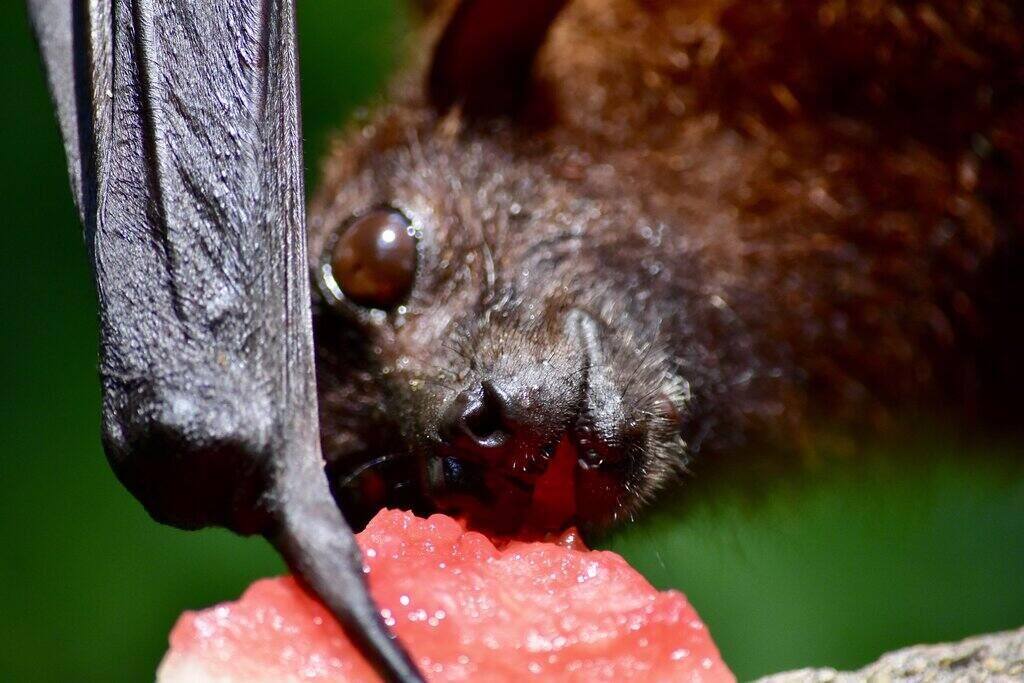
Additionally, it is a member of the Paramyxoviridae, genus Henipavirus, making it a negative-strand RNA virus. Primarily, the fruit bat, or flying fox. is the animal host reservoir for the Nipah virus. Subsequently, scientist discovered its host reservoir because it is genetically related to the Hendra virus. Which is another henipavirus known to be carried by bats.
How It Spreads
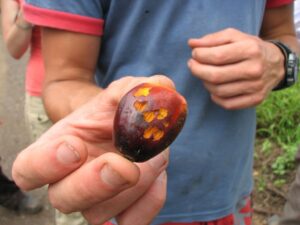
The disease is spread when animals or people come in contact with something infected or its bodily fluids. For example, pigs can contract the virus by ingesting or touching materials or object contaminated by an infected bats urine, saliva, or feces. Similarly, people can contract the virus by touching or consuming things contaminated by an infected animals bodily fluids.
When the first Nipah virus outbreak occurred, people contracted it from direct contact with sick pigs or their contaminated tissues. In addition to contracting it from unprotected exposure to secretions from the pigs, the virus could have been transmitted through skin-to-skin contact with the tissue of a sick animal.
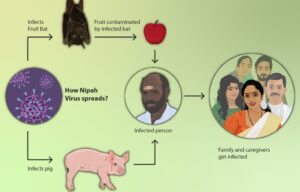 When an individual contracts the disease from an animal it is called a spillover event. Reported symptoms of Nipah virus range from mild to severe. Of the documented cases reported between 1998 and 2018, 40% to 70% resulted in death.
Symptoms of Nipah Virus
The virus can effect people with a range of symptoms. Some people experience an infection that is asymptomatic. Which means they are infected but never feel any symptoms. However, this does not mean they cannot spread the infection. Other individuals have had acute respiratory infection, seizures, or fatal encephalitis — inflammation of the brain.
Initially, symptoms of Nipah virus so as:
- Headaches.
- Fever.
- Sore throat.
- Vomiting.
- and myalgia (pain in a muscle or a group of them).
Afterward, people develop drowsiness, dizziness, altered consciousness, and neurological signs that indicate acute encephalitis. Additionally, some individuals experience atypical pneumonia and severe respiratory problems, including acute respiratory distress. In severe cases, encephalitis and seizures occur, within 24 to 48 hours the severe cases progress to comas.
Incubation and Survival Rates
Generally, the Incubation period for the Nipah virus is four to 14 days. However, a reported cases had an incubation period as long as 45 days.
Additionally, most people infected with NiV make a full recovery. However, those who had acute encephalitis are left with residual neurological conditions. There have been reports of some people relapsing, according the World Health Organization (WHO).
Moreover, the fatality rate of Nipah virus infection is estimated at 40 to 75%. However, this estimate varies with each outbreak. It depends on the surveillance and clinical management in affected areas.
Nipah Virus Strikes Southern India for the Fourth Time
The Nipah virus has stuck India’s southern state, Kerala, making it the fourth outbreak since 2018. On Wednesday, some schools, offices, and public transportation in Kerala were shutdown.
In addition, to the two death and hundreds other being tested, two adults and one child have been hospitalized. Of the 706 who have already been tested, 153 were health workers. The results of those test are still pending.
Chief Minister of Kerala, Pinarayi Vijayan, stated that there could be more people tested. As such, additional “isolation facilities will be provided.” Additionally, he requested people to avoid public gatherings in the Kozhikode district for the next 10 days.
Nipah Virus Focus and Restrictions
Currently, official are “focusing on tracing contacts of infected persons early and isolating anyone with symptoms,” State Health Minister Veena George told reporters. Moreover, the outbreak in Kerala is the same strain as the one found earlier in Bangladesh.
Subsequently, spreads from human to human with a high mortality rate. However, this Nipah virus strain has a history of being less infectious.
“Public movement has been restricted in parts of the state to contain the medical crisis,” added Health Minister George. Moreover, medical staff are placed into quarantine after having contact with the infected.
By Sheena Robertson
Sources:
NBC News: Over 700 people tested for Nipah virus after two deaths in India
CDC: What is Nipah Virus?
The Center of Food Security & Public Health: Nipah
WHO: Nipah virus infection
Featured Image Courtesy of Karl Roby‘s Flickr Page – Creative Commons License
First Inset Image Courtesy of Rob and Stephanie Levy‘s Flickr Page – Creative Commons License
Second Inset Image by https://www.myupchar.com/en Courtesy of Wikimedia – Creative Commons License




