
















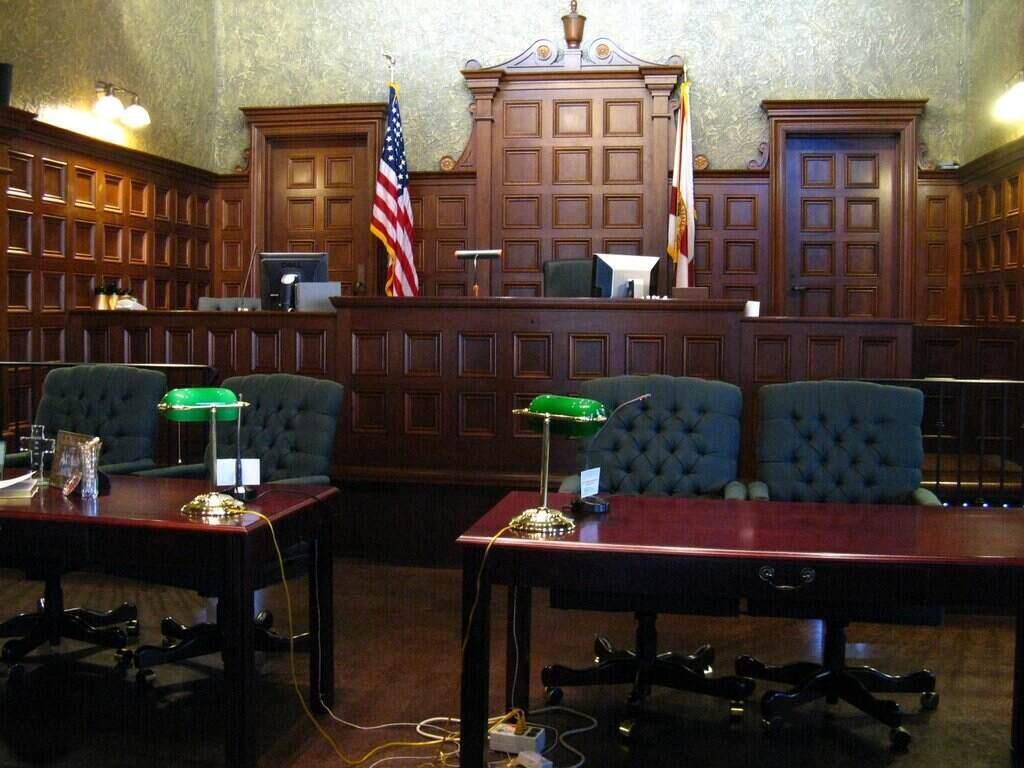
Lawyer for Kids Under 18
Delinquent behavior, referral, diversion, waiver, detention, adjudication, disposition, juvenile corrections and aftercare. This is the process in the juvenile justice system, however, some people are rethinking it. Starting with integrations. A new lo law within Springfield backed by Gov. J.B. Pritzker will requires a lawyer for kids under 18 during interrogations. Pritzker and many others understands that this is a big deal. Whether due to the police tactics or the way a child mind works. Evidence has shown that juveniles are more likely to make false confessions compared to adults.
A minor may be told that concrete evidence exists that proves they are guilty. Making them think that they have no other option but to confess. An investigator may also lie to them and tell them that they will be punished if they don’t confess. Such mind games can make a child feel as if nobody will believe them if they tell the truth. Considering that, unlike the adult court system, the juvenile justice system does not recognize punishment as a legitimate purpose.
The Goal vs The Reality According to Pritzker
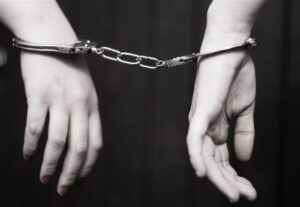
Rather, then the goal of the juvenile justice system. Helping young people avoid future delinquency and law-abiding adults. The juvenile justice system has traditionally protected the confidentiality of court involved youth. It just doesn’t seem right that if the overall goal is to become an upstanding citizens.
When we constantly put kids in a situation where they feel like being such is not an option. children are less able to weigh the advantages and disadvantages of their decisions. As will as be less likely to be mindful of their rights under the law. grasp the work that attorneys do or how they might help clients. The CWCY (Center on Wrongful Convictions of Youth) seeks to find solutions to the underlying causes of youth wrongful convictions and assist children who have been unfairly convicted.
A little over a quarter of all juvenile prosecutions were subsequently dismissed due to DNA evidence. Were the outcome of false confessions, which renders them one of the primary causes of wrongful convictions. In reality “there has been growing empirical proof suggesting these conditions may motivate a frighteningly huge number of individuals to confess to crimes they hadn’t committed,” as the U.S. Supreme Court discovered in 2009.
In 2018, However the most recent year for which data are available, about 750,000 young people were referred to juvenile courts nationwide for delinquent offenses that violate the criminal code.
Study Response Directed by Pritzker
This is why on July 15, 2021, Governor JB Pritzker signed historic legislation into law at a ceremonial bill signing, making Illinois the first state in the country to prohibit law enforcement officers from using deception while interrogating people under the age of 18. Pritzker made this including those s very tactics: Claiming the presence of incriminating evidence as well as offering false assurances of mercy. It has been widely acknowledged that both of these techniques greatly elevate the possibility of false confessions since it have been tied to the overturning of roughly 30% of all mistaken convictions through DNA evidence. Additionally, the most common contributing element in homicide instances involving wrongful convictions is false confessions, according to the Thorne Auditorium of Law.
Governor Pritzker had been accompanied by unlawfully imprisoned people, majority of whom admitted to giving up their confessions under coercion and police manipulations when he signed the bill into legislation. The historical bill signing was also attended by Cook County State Attorney Kim Foxx, state senator Robert Peters, and state Representative Justin Slaughter. along with representatives from the Illinois Innocence Project, the Center on Wrongful Convictions, and the Innocence Project. so if Pritzker would have trend a blin eye how many more kids would have fallen victims.
Facing Facts
Chris Yarzabe (Flickr CC0)
Studies have repeatedly discovered that the majority of adolescents, which includes those who would normally be regarded as “street smart,” generally aren’t aware that they’re entitled to the right to representation and the right to remain silent under terms of Miranda.
As a consequence, these children fail to utilize those fundamental rights, and as a result end up being interrogated by the police by without the support of an adult friend, attorney, or parent. Frequently, the child gives an unconscious or untrustworthy statement as a result.
The false promise’s
So-called “transfer” rules commonly demand that a young child charged with a serious offense undergo trial in adult criminal court. Where the offender may face lengthy jail terms. Youth frequently consent to plead guilty in exchange for shorter prison terms in order to avoid risking such punishments.
Even if they did not really conduct the acts in question. In fact, a renowned research that analyzed 125 occurrences of fraudulent confessions found that 11% of the cases seemed innocent. People who later entered guilty pleas for crimes they had not committed. Similarly, of the initial 289 DNA exonerations, 10% of those found innocent had entered a guilty plea. Since 97% of federal court judges enter guilty pleas, it is reasonable to assume that the rates of fraudulent guilty pleas are likely much greater even than these figures indicate.
By Jada Dunknetell
Sources:
isba: Bill backed by Pritzker would require a lawyer for kids under 18 during interrogations
dfm-law: Why do juveniles confess to crimes they didn’t commit?
innocenceproject: Illinois Becomes the First State to Ban Police from Lying to Juveniles During Interrogations
northwestern: Wrongful Convictions of Youth
aecf: WHAT IS JUVENILE JUSTICE?
Featured and Top Image Courtesy of Connor Tarter‘s Flickr Page – Creative Commons License
Inset Image #1 Courtesy of Crawford Learmonth’s Flickr Page – Creative Commons License
Inset Image #2 Courtesy of ‘ Chris Yarzabs Flickr Page – Creative Commons License




