












Recent News
Recent news reports concerning noodle recalls have alarmed consumers about the safety of their food and potential health hazards. Many times, contamination, incorrect labeling, or manufacturing flaws cause these recalls, which leads businesses to take preventative measures like removing products off shop shelves. This article examines a few major noodle recalls, the reasons behind them, and what consumers can watch out for to be safe and informed.
Understanding Noodle Recalls
Food safety standards place a high priority on recalls. Products are recalled when its discovered that they could endanger consumers as a result of contamination, incorrect labeling, or poor production. The most frequent reasons for noodles were undisclosed allergies, extraneous particles, and bacterial contamination.
Causes of Noodle Recalls
- Microbiological Damage – Bacterial contamination is a major factor in noodle recalls, especially when it involves diseases like Salmonella or E. coli. Serious digestive disorders, like nausea, vomiting, diarrhea, and even more serious health issues, can be brought on by these bacteria. A popular noodle company withdrew its instant noodles in 2021 because they contained Listeria monocytogenes. A bacteria that can cause listeriosis and is particularly harmful to older people, pregnant women, and people with weaker immune systems.
- Non-Reported Allergens – Undeclared allergens, such eggs, soy, or wheat, are another common cause of noodle recalls and can provide a major risk to people with food allergies. Allergen warnings are frequently omitted from packaging due to ingredient mislabeling. For instance, the unintended inclusion of wheat led to a 2022 recall of gluten-free noodles.
- The Objects Are Foreign – Occasionally, human error or malfunctioning machinery causes foreign items like plastic, metal, or glass to end up in food products. One notable incident occurred in 2023 when customers reported finding tiny shards of metal in the packaging of a particular type of ramen noodles, prompting a recall. If consumed, this kind of contamination can be harmful and provide a choking hazard.
- Errors in Packaging and Labeling – A recall may result from problems with packaging and labeling, such as misprinted product information or incorrect expiration dates. Customers may be misled by these mistakes and end up eating dangerous or outdated goods as a result. For instance, a business withdrew a batch of noodles in 2020 because the labels had not disclosed the preservative’s presence, which could have caused the noodles to decay too soon.
Notable Recalls of Noodles in Recent Times
1. The 2021 Maruchan Ramen Recall
Popular ramen noodle brand Maruchan issued a recall in 2021 amid worries of Salmonella contamination. The company collaborated with food safety authorities to locate and resolve the source of the contamination following the recall, which impacted multiple states. The significance of strict manufacturing controls and bacterial contamination monitoring was highlighted by this recall.
2. Nissin Cup Noodles Recall (2022)
In 2022, a batch of instant noodles was recalled by Nissin Foods, the company that makes the well-known Cup Noodles brand, because of hidden egg allergies. Millions of shipments nationwide were affected by the recall after the mislabeling was found during a routine inspection. In order to prevent allergic reactions, consumers were told to either return the goods or throw it away.
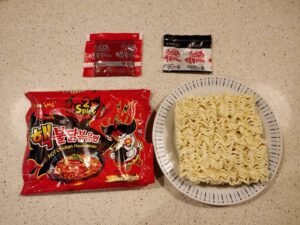
3. Recalling Korean Spicy Noodles (2023)
A well-known brand of spicy Korean noodles was recalled in the beginning of 2023 due to consumer allegations of plastic fragments found in the food. After many consumer reports of the problem to the corporation, further investigation identified a manufacturing flaw. Customers are advised not to eat the impacted products as a result of the recall, which involved multiple batches.
How to Keep Up with Food Recall Information
Although food recalls can be concerning, being aware of the risks can help shield you from possible dangers. The following advice can help you stay informed about recalls of noodles and other food safety issues:
1. Visit official websites
Updates regarding food recalls are often posted by regulatory bodies such as the USDA and FDA. For the most recent details on products that might have been recalled owing to health concerns.
2. Register for Notifications
Customers can sign up to get email or SMS notifications from governmental or private organizations about food recalls. If you purchased a recalled product, these alerts can help you take swift action by providing real-time updates on recalls.
3. Check Items Before Using Them
Before eating, always check the food product’s packaging. Keep an eye out for expiration dates, damage, or strange smells. It’s wise to stay on the side of caution and not use the product if something is not right.
Conclusion
Recalls of noodles serve as a reminder of the significance of food safety laws and the need for both consumer and manufacturers. While majority of noodles on the market are safe to consume, infrequent issues such as labeling errors might pose dangers. Customers can contribute to ensuring their safety and wellbeing by being aware of recalls and being proactive in checking items before consuming them.
Written by: Jordiana Jean
Edited By: Isaiah Grissett
Sources
https://www.newsweek.com/noodle-recall-update-fda-sets-risk-level-1910253 – Noodle Recall Update as FDA Sets Highest Risk Level
https://www.9news.com/article/news/verify/health-verify/no-ramen-noodle-recall-due-to-deadly-bacteria-fact-check – No, packages of ramen have not been recalled due to deadly bacteria, as TikToks claim
https://www.msn.com/en-us/foodanddrink/foodnews/if-youve-eaten-instant-ramen – If You’ve Eaten Instant Noodles Lately, Here’s What to Know About the FDA’s Recall
Featured Image Courtesy of Global Exchange‘s Flickr Page – Creative Commons License
Inset Image Courtesy of Global Exchange‘s Flickr Page – Creative Commons License
Second inset image Courtesy of John C. Chu Flickr Page – Creative Commons License




