














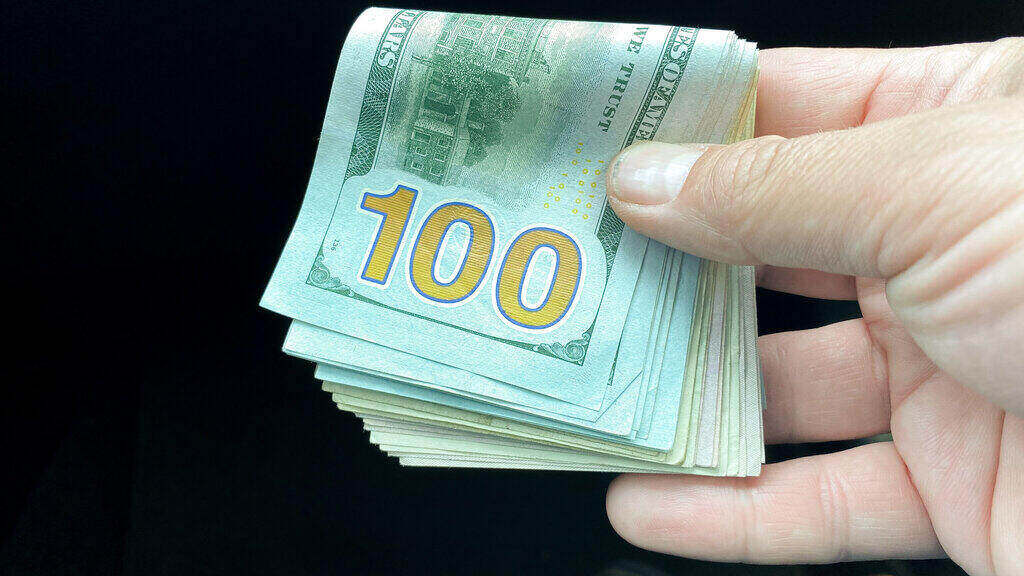
When Lori Lightfoot won the election for the Mayor of Chicago in 2019 it took her a little more than $5 million. To run for mayor in Chicago is no small feat and not an inexpensive task.
Back when Rahm Emmanuel ran for election in 2011 he raised upwards of $24 million for his campaign, which is quite a pretty penny when it comes to a local election. So what are candidates paying for when they get donations and run for election?
Election hopefuls have a specific set of guidelines that they need to follow when spending on elections to keep people from profiting entirely off of donations. The Federal Election Commission keeps a set of guidelines on what can and cannot be spent with campaign funds and donations during an election season. Most of these prohibited being “personal use,” which entails items such as groceries, personal rent, clothing, etc.
It is important to a fair election that political hopefuls keep their spending to campaign expenses only, and have to document these on D-2 tax forms on the Illinois State Board of Elections website. Let’s take a look at what the 2023 mayoral candidates are spending their funding on.
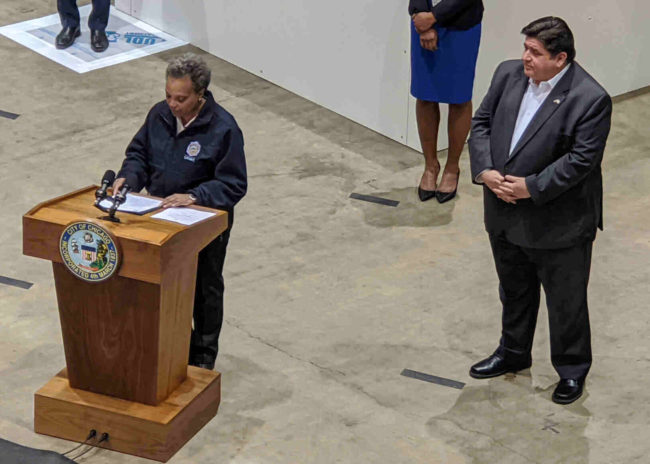
Lori Lightfoot
Lightfoot has outspent most of her opponents for the mayoral position by upwards of $2 million. She spent $4,270,903.00 by the end of 2022 according to her D-2 form. Lightfoot has spent most of her money on payroll, local advertising, election consulting, and processing fees for her small-dollar fundraising programs, such as the servers needed for donating under $100 through a website or advertisement.
Finally, items are allowed to be bought as a “campaign gift,” which is allowed if it is under $250 and to a campaign employee or worker. An interesting example of this is a gift expense Lightfoot filed from the Adidas store on Michigan Avenue.
Paul Vallas
Paul Vallas, the man who is currently neck and neck with Lightfoot in the polls, has spent around $1,027,530. His campaign expenditures in the last two months of 2022 were mostly processing fees for small-dollar fundraising. The rest was transportation (parking, gas, Uber, etc.), campaign meetings at restaurants, consulting, and advertisements.
Interestingly enough, there is an $879.00 charge at the Apple Store on North and Clyborn. The campaign expense report says “Cell Phone.”
Kam Buckner
Kam Buckner has spent $244,728 on his election campaign. This is a large decrease from runners such as Lightfoot and Vallas. He has spent his campaign money on rental space for his committee, payroll, consulting, taxes both to the Illinois Department of Revenue and the IRS, and software.
Jesus ‘Chuy’ Garcia
Garcia is one of the frontrunners for this mayoral election, and while he has gained a lot of support and donations he has not spent quite as much money in the last two months of the year. He spent around $151,325 of the over $1 million he has in donations, much less than expected. He spent his campaign money on payroll, rent for his committee, advertisements in the form of printing and buttons, communications services, and office supplies.
Ja’Mal Green
Green has spent almost the least on his campaign. He has only spent $82,870 in the last quarter on his campaign. Most of his expenditures were consulting, software, advertising, call, and texting services.
Brandon Johnson
Johnson has spent $578,356 on his campaign. Most of his expenditures are for software, filming expenses, consulting, petitions, payroll, legal fees, and advertising. Interestingly, there is an expense to United Airlines of $269 for an airline ticket.
Sophia King
Sophia King, the Alderwoman of the 4th ward, has spent $287,156 on her campaign. Most of her expenses have been payroll, software, printing services, legal fees, bank fees, fieldwork, credit card fees, and campaign management expenses.
Roderick Sawyer
Sawyer, who is the Alderman of the 6th ward, has spent the least on campaign expenses than any other mayoral hopeful. He has spent $69,683 on his campaign, those being printing, gasoline, payroll, consulting, promotional items, accounting and legal fees, office supplies, and phone bills.
Willie Wilson
Wilson is an interesting candidate because he donated 5 million dollars to himself at the beginning of his campaign. He has spent $1,974,550, most of these being on consulting, graphic design, American Express bills, legal fees, and advertisement for TV and radio.
All in All
There are many interesting things about campaign economics. Campaigners are allowed to use funds to buy from stores such as Amazon or Apple if those funds are filed as ‘campaign expenses’. These expenses can be for items such as computers for their employees or office supplies. Unfortunately, the item that was purchased cannot be seen on the Illinois State Board of Education website. Due to this, there is no way to be sure of what was bought.
Another campaign expense is food and drink purposes, usually filed under “campaign meeting.” These can be anything from coffee to expensive dinners and parties. Again unfortunately there is no way to know the extent to which it was used for a campaign.
With candidates having millions of dollars in campaign funding, it can be daunting to think of campaign economics. If you would like to take a closer look at campaign finances and donors visit the Illinois State Board of Elections Campaign Disclosures website for a more thorough look through.
The question becomes after this, what do you want the future mayor of Chicago to spend campaign money on?
By Caroline Buehler
Sources:
ABC 7 Chicago: Price is Right: How Much Will it Cost to Become Chicago’s Mayor by Chuck Goldie and Barb Markoff
ElectionsIlGov: Illinois State Board of Elections Campaign Disclosures
Ballotpedia: Chicago Mayoral Campaign Finances
Featured and Top Image Courtesy of Jonathan Cutrer Flickr Page – Creative Commons License
First Inset Image Courtesy of US Army Corps of Engineers Chicago District Flickr Page – Creative Commons License




