
















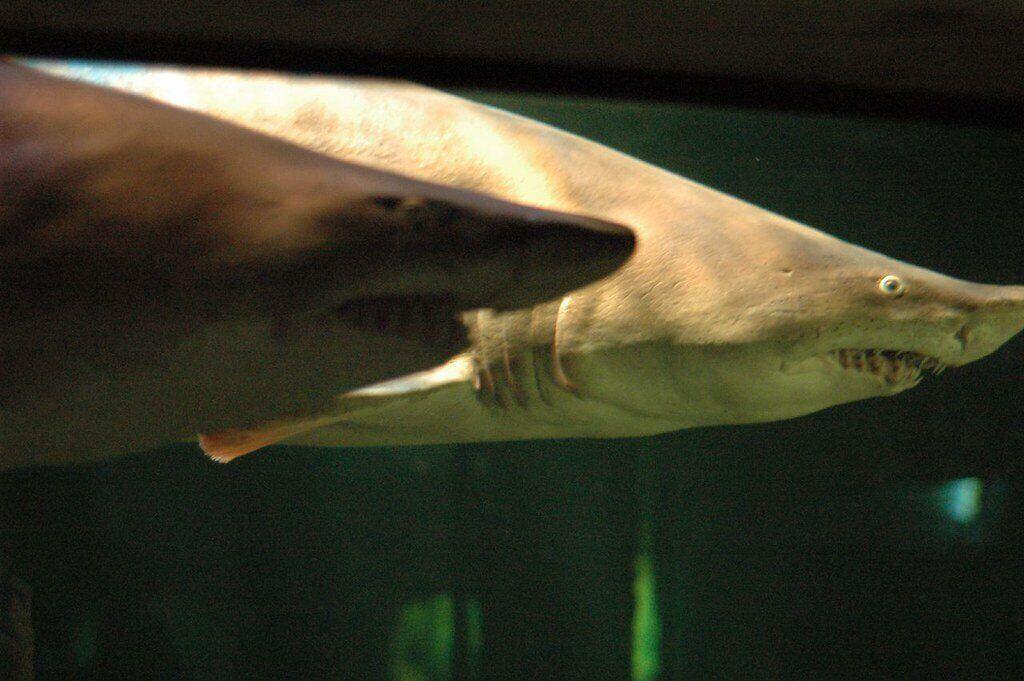
Understanding Shark Bites: Myth, Reality, and Conservation
The fear and fascination around shark attacks have persisted for a long time. Mainly due to exaggerated media and pop culture. But it’s important to tackle this subject from a balanced angle. Taking into account the rarity of shark-human encounters along with the critical function sharks play in preserving marine ecosystems. The causes of shark bites, the misconceptions surrounding these occurrences. And most importantly, the significance of shark conservation will all be covered in this essay.
The Biology and Behavior of Sharks
It’s crucial to study the biology and behavior of these ancient creatures to understand shark bites. There are many different species, sizes, and habitats among the diverse group of fish known as their bites.
Majority of sharks are not aggressive toward humans and usually live in oceans all around the world without hurting anyone. Dispelling the myth that sharks are mindless killers requires an understanding of their feeding habits, migratory patterns, and breeding practices.
The bites are uncommon; most are the result of misidentifications or confrontations that are instigated. The chance of a shark bite is influenced by a number of variables. Including the state of the water, human activity, and the existence of prey. They may mistake surfers or swimmers for their normal prey when the water is murky, clarity, or bait smell. Fishing and spearfishing near well-known beaches might further raise the likelihood of a run-in.
The belief that sharks actively seek out humans as prey is largely due to their portrayal in the media. Feeding into the many myths regarding shark attacks. As a primary food source, people actually don’t appeal to sharks. Irrational fears about sharks stem from misconceptions like the idea that they can detect blood from a great distance. It is essential to debunk these beliefs in order to promote a more realistic comprehension of shark behavior and lessen unwarranted fear.
Natural Values

In order to keep marine ecosystems healthy and in balance, sharks are essential. Because they are apex predators, they control the numbers of other marine animals, preventing some populations from growing too large and upsetting the balance of the food chain. Marine ecosystems suffer greatly as a result of the drop in shark populations brought on by overfishing and habitat degradation. Shark protection is crucial for both the health of our oceans and the survival of these animals.
Protected marine areas, ethical tourism, and public education on shark behavior and conservation are all important components of fostering human-shark coexistence. Preserving a balanced marine ecosystem requires both advocating ethical fishing practices and opposing the killing of sharks for their fins.
Technology advancements offer options to lower the risk of shark bites, such as the creation of shark deterrent devices and creative beach surveillance systems. These devices can contribute to the creation of safer swimming areas by warning beachgoers about the presence of sharks and providing practical deterrents to reduce the likelihood of encounters.
Shark and Human Compatibility
A balanced viewpoint that takes into account the rarity of shark bites, the misconceptions surrounding them, and the significance of shark conservation is necessary to comprehend these instances. Through debunking myths, advocating for ethical human conduct, and integrating cutting-edge technology, we can cultivate a peaceful coexistence between humans and sharks. It is our duty as stewards of the oceans to recognize the ecological importance of sharks and to work toward their protection in order to preserve the wellbeing and equilibrium of marine ecosystems for future generations.
The public’s fascination with shark bites has long been stoked, frequently by sensationalized media coverage and Hollywood depictions. But it’s important to address this subject objectively, taking into account the rarity of these occurrences as well as the intricate circumstances that surround them.
Human shark bites are a relatively rare occurrence, with an estimated 80 occurrences reported worldwide annually. Sharks are essential to the equilibrium of marine ecosystems, despite the fact that any encounter with a huge predator can be frightening. They contribute to fish population control, maintaining the wellbeing of the ocean’s ecosystem.
Reducing Risks
Technological developments that help reduce the risk of shark bites include the creation of shark deterrent equipment and enhanced tracking systems. Scientists investigate the behavior and migration patterns of sharks using satellite tagging and acoustic transmitters, yielding important information for coastal management plans.
In summary, although human shark attacks are uncommon, a comprehensive comprehension of the variables influencing these occurrences is necessary. Promoting cohabitation between people and these apex predators requires an understanding of the critical role sharks play in marine ecosystems and the implementation of efficient conservation strategies. Our seas’ natural integrity and human safety can both be preserved by promoting a balanced viewpoint and making responsible practices investments.
Written by: Kamaria Morse
Source:
ABC News – 10 people killed in unprovoked shark attacks last year, report finds by Meredith Deliso
CBS News – Shark attacks and seriously injures woman swimming in Sydney Harbor: “I heard a soft yell for help” by CBS News
CBS News – Woman from Boston killed in shark attack while paddle boarding in Bahamas by Caitlin O’Kane
Inset image Courtesy of https://flic.kr/p/dEJkKCSteve Garner’s Flickr Page – Creative Commons License
Featured image Courtesy of Greg Chiasson’s Flickr Page – Creative Commons License




