
















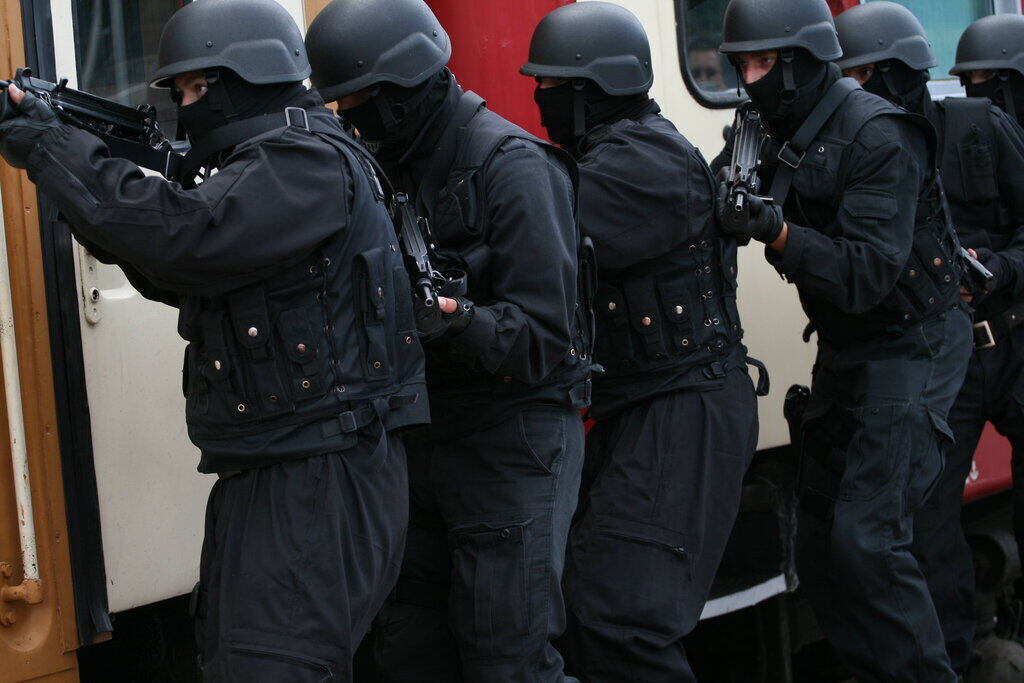
Tactical Teams: The Backbone of Specialized Law Enforcement
Tactical teams, often referred to as Special Weapons and Tactics (SWAT) teams. They are specialized units within law enforcement agencies trained to handle high-risk operations that exceed the capabilities of regular patrol officers. These teams are equipped with advanced training, equipment, and tactics to manage situations such as hostage rescues, counter-terrorism operations, and apprehending heavily armed criminals. This essay explores the history, training, operations, and controversies surrounding tactical teams, highlighting their critical role in modern policing.
Historical Development
The concept of tactical teams originated in the 1960s in response to escalating violence and the need for specialized responses to critical incidents. The Los Angeles Police Department (LAPD) is credited with forming the first official SWAT team in 1967. This was after several high-profile incidents where conventional police tactics proved inadequate. This pioneering unit demonstrated the effectiveness of specialized training and equipment in managing extreme threats. Setting a precedent for other law enforcement agencies across the United States and worldwide.
Since their inception, tactical teams have evolved significantly. They have expanded their capabilities to address a broader range of threats, including terrorism, organized crime, and active shooter scenarios. The training and equipment used by these units have also advanced, incorporating the latest technological innovations and tactical methodologies.
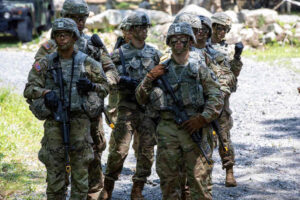
West Point – The U.S. Military Academy Flickr Page CC0
Training and Equipment
The effectiveness of tactical teams hinges on rigorous training and specialized equipment. Members of these units undergo extensive training in firearms proficiency, close-quarters combat, tactical driving, explosives handling, and emergency medical procedures. They are also trained in psychological negotiation and crisis management to handle hostage situations and barricaded suspects.
Advanced equipment is essential for SWAT teams to perform their duties safely and effectively. This includes body armor, ballistic helmets, night vision devices, breaching tools, and specialized firearms such as submachine guns and sniper rifles. Tactical teams also use armored vehicles for safe transport and protection during high-risk operations.
Training is continuous and often includes simulated scenarios to keep team members prepared for various potential situations. This continuous preparation ensures that swat teams can respond swiftly and effectively, minimizing risks to both officers and civilians.
Sources:
Idaho State Journal – Multiple local SWAT teams respond to standoff with armed man accused of shooting at juveniles and their parents
KTIV Siouxland’s News Channel – Tactical teams deployed to Storm Lake apartment to arrest robbery suspect
Fox 12 Oregon – Tactical teams serve ‘high risk’ warrant in Beaverton
Featured Image Courtesy of wlodi Flickr Page – Creative Common License
First Inset Image by Lt. Col. Travis Tilman, the USCC 2nd Regimental Tactical Officer Courtesy of West Point – The U.S. Military Academy Flickr page – Creative Common License
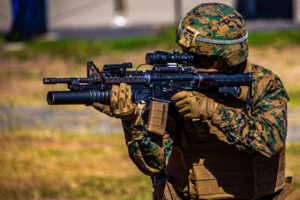
Second Inset Image by Cpl. Jacob Wilson Courtesy U.S. Indo-Pacific Command of Flickr Page – Creative Common License




