
















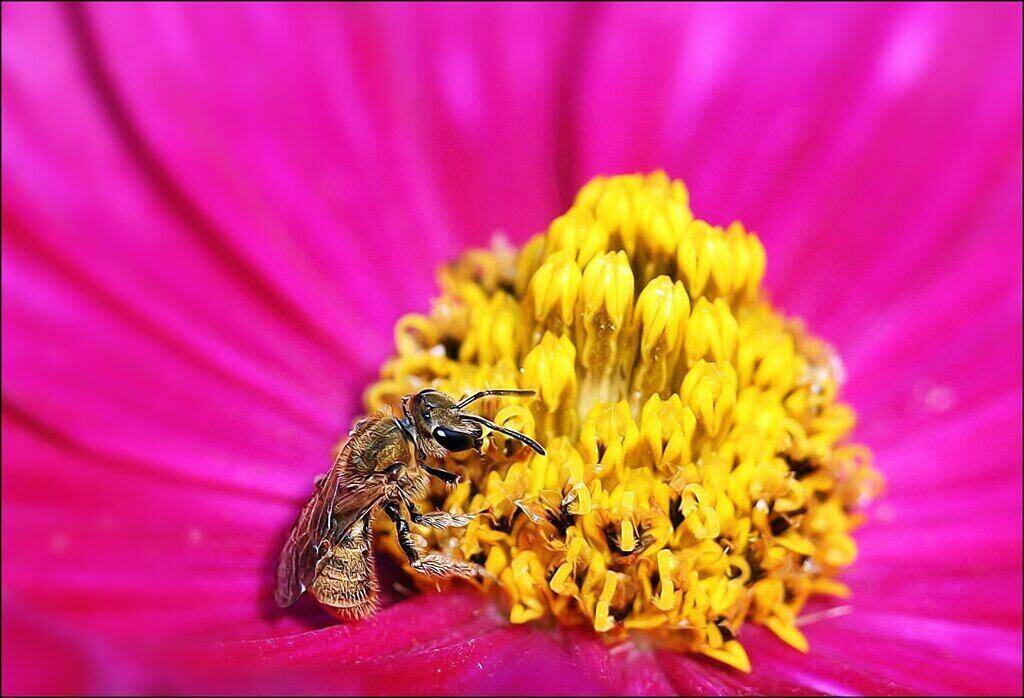
The Buzzing Heroes of Nature
Bees Sustaining Life on Earth. Bumblebees are one of the most important organisms in the web of life on Earth. Bees are more than just insects thanks to their unique buzz and assiduous foraging; they are vital components of ecosystems all around the world. This piece delves into the intriguing realm of bees, examining their extraordinary biology, their vital function in pollination, and the challenges they encounter in a constantly evolving world.
The Importance of Bees in Pollination
At the heart of the bumblebees’ significance lies their role as pollinators. As they visit flowers in search of nectar and pollen, bees unwittingly transfer pollen grains from one flower to another, facilitating the fertilization of plants. This process, known as pollination, is essential for the reproduction of flowering plants, including many crops that humans rely on for food.
The scale of bumblebees’ contribution to pollination cannot be overstated. It is estimated that bees are responsible for pollinating approximately 75% of the world’s flowering plants, including over 90 crops that sustain human populations. From apples and almonds to coffee and cotton, bees play a critical role in the production of a wide range of agricultural products.
The Intricate Dance of Pollination
What makes bumblebees such effective pollinators? It’s not just their fuzzy bodies and ability to collect pollen; it’s also their remarkable behavior and social organization. Bumblebees have evolved sophisticated strategies for foraging and communicating with each other, maximizing their efficiency as pollinators.
For instance, when a foraging bee discovers a bountiful source of nectar, it returns to the hive and performs a “waggle dance” to communicate the location and quality of the food source to its fellow workers. This intricate dance conveys information about the direction and distance of the food, allowing other bumblebees to navigate directly to the source.
Furthermore, bees exhibit flower constancy, meaning they tend to visit flowers of the same species during a foraging trip. This behavior enhances the likelihood of successful pollination by ensuring that pollen is transferred between compatible flowers.
The Decline of Bee Populations
Despite their importance, bumblebees population worldwide are facing unprecedented challenges. Habitat loss, pesticide use, climate change, and diseases have all contributed to declines in bee populations in recent decades. The loss of bee species not only threatens biodiversity but also poses a significant risk to global food security.
One of the most pressing concerns is the decline of managed honeybee colonies, which are crucial for agricultural pollination. Colony Collapse Disorder (CCD), a phenomenon where worker bees abruptly disappear from hives, has decimated honeybee populations in many parts of the world. While the exact causes of CCD remain elusive, it is believed to be a combination of factors, including pesticide exposure, pathogens, habitat loss, and stressors associated with industrial beekeeping practices.
In addition to managed honeybees, wild bee species are also facing threats to their survival. Wild bumblebee species depend on certain habitats for nesting and foraging, threatened by human activities like urbanization and deforestation. Climate change further increases these threats by altering the timing of flowering plants and disrupting the synchrony between bees and their food sources.
Conserving Bees for Future Generations
Bumblebees populations are declining, and it will need coordinated action from businesses, governments, communities, and individuals to reverse this trend. Conservation efforts should focus on bee habitats, reduce pesticide use, promote pollinator-friendly agriculture, and raise public awareness to protect pollinators.
Promoting pollinator-friendly landscaping and gardening techniques is one effective strategy. In urban and suburban areas, creating havens for pollinators involves planting diverse flowering plants as food and habitat, avoiding pesticides, and offering nesting sites like bumblebees hotels and natural areas.
Supporting local beekeepers and sustainable practices helps protect honeybee health and resilience, providing crucial pollination services to agriculture. By purchasing honey and other hive products from responsible producers, consumers can contribute to the conservation of bees and their habitats.
Honoring the Legacy of Bees
In conclusion, bees are not just insects buzzing around flowers; they are essential partners sustaining life on earth. From pollinating crops to maintaining biodiversity, bees play a vital role in ecosystems and human societies alike. However, their populations are under threat from a myriad of challenges, underscoring the urgent need for conservation action.
Let’s pledge to safeguard these priceless pollinators for upcoming generations as we commemorate the amazing history of bees. By valuing bumblebees and actively conserving them, we secure a brighter future for both bees and humans, acknowledging their role as a vital part of nature’s interconnected symphony.
Featured Image Courtesy of Sue Thompson Flickr Page – Creative Commons License
Inset Image Courtesy of Diego Pianarosa Flickr Page – Creative Commons License




