













The Triggers and Struggles of Allergies
Allergies are reactions that bodies produce or develop when exposed to foreign factors that the body doesn’t take well at all. The good news is that there are many different ways for people to keep control of these reactions from allergies, even though it can be a hassle and quite stressful and overwhelming to be dealing with these reactions. However, who would have thought that their own pets, for instance, dogs and cats, are alerting parents that their babies or toddlers might have a food allergy?
Furthermore, some of these allergy triggers or factors that make people have negative reactions towards them are:

- Food.
- Insects.
- Latex.
- Pollen.
- Pets.
- Medicine.
- Mold.
- Gluten.
Additionally, this also depends if they are sensitive to these allergies and if they do get certain reactions that their body can not manage or tolerate.
The Research Study
Moreover, a recent research study has been conducted in Japan. This study had surprising results in the relation to how children’s food allergies are being reduced by parents or heads of the house actually owning animals. The research study aimed to discover the effect when children are exposed to different types of animals and different types of food allergies.
More specifically this research study was named the “Japan Environment and Children’s Study.” They were trying to find out if having pets was better for the children’s own well-being, just in case of any food allergy. This study consisted of more than 65,000 children from Japan. They were put to the test, to determine if it was less likely for them to develop food allergies with pets or no pets.
The Results of the Study
Researchers found that the more households had pets the fewer food allergies those kids would experience. In terms of percentages, this study found that owning pets, like dogs and cats, reduced the risk of developing allergies. Especially, in young children. In fact, the research showed that up to 13% to 16% had reduced allergies.
In terms of food sensitivities, the study showed that when children are exposed to cats they were less likely to develop allergies to:
- Egg.
- Wheat.
- Soybean.
On the other hand, when there is exposure to dogs, they show fewer possibilities to develop allergies to:
- Egg.
- Milk.
- Nuts.
The reduction of food allergies developed links more to dogs and cats rather than hamsters, turtles, and birds. In fact, it was shown that owning a hamster actually increased the allergies to nuts twice as much. This is why this study was linked more to dogs and cats.
Allergy Experts and Doctors Agree with these Results
Since this study demonstrates and proves that it for sure has benefits for pregnant women and young children. Moreover, there have been professionals that agree with it. On one hand, pediatricians that specialize in the treatment of allergies reassure and approve the people that own pets. The reason is that they provide benefits in reducing the probability of developing any type of allergy.
Also according to James Gern, who is a professor and chief of the Division of Allergy, Immunology, and Rheumatology at the University of Wisconsin at Madison, “The finding that exposure to dogs and cats is related to less food allergy seems pretty solid and agrees with several prior studies.”
This shows that even professors that specialize in this field also have confirmed and agree with prior studies that have been done before regarding the same question of if having pets reduce or not food allergies in young children.
Written by Jeanette Sanchez
Sources:
CNN Health: Pet cats and dogs may help protect infants from food allergies, study suggests
Journals Plos One: Associations between fetal and infancy pet exposure and food allergies: The Japan Environment and Children’s Study
TIME: Kids With Pets May Be Less Likely To Develop Food Allergies
Washington Post: Living with cats or dogs may lower children’s risk of food allergies
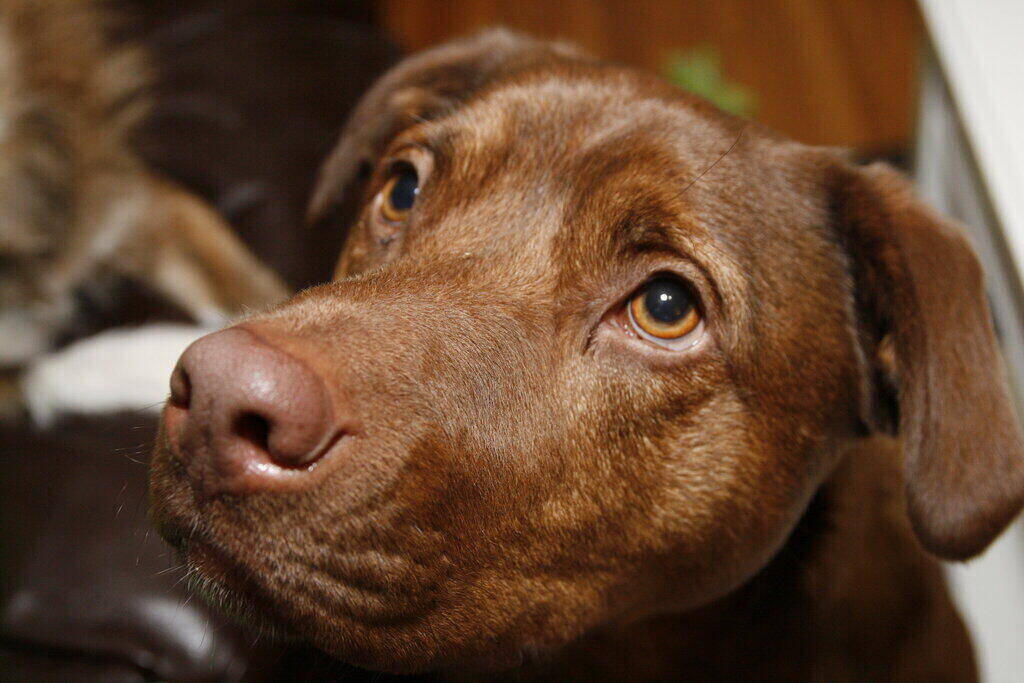
Inset Image Courtesy of Mike Mozart Flickr Page-Creative Commons License
Featured Image Courtesy of Mark Handy Flickr Page-Public Domain




