

















Chicago Public Transportation: A Vital Urban Lifeline
Chicago, known as the “Windy City,” boasts a public transportation system that is integral to its identity and functionality. The Chicago Transit Authority (CTA) operates one of the largest and most comprehensive public transportation networks in the United States, encompassing buses and the famous ‘L’ trains. Additionally, the Metra commuter rail and the Pace suburban bus service extend the reach of public transit into the greater metropolitan area. This essay explores the history, components, benefits, challenges, and future prospects of Chicago’s public transportation system.
Historical Development
The origins of Chicago’s public transportation date back to the mid-19th century, with horse-drawn carriages and streetcars serving the city’s early residents. The first elevated railway, or ‘L’ train, began operation in 1892, transforming urban transit by providing a rapid and reliable means of traversing the city. Over time, the system expanded significantly, with the CTA being established in 1947 to consolidate and modernize the various private transit companies into a single public entity.
The introduction of the bus system complemented the ‘L’ trains, providing flexible and widespread coverage throughout the city. The integration of these modes of transportation facilitated efficient movement within the dense urban landscape, contributing to Chicago’s growth as a major economic and cultural hub.
Components of the System
The CTA’s ‘L’ system, with its distinct elevated tracks and iconic loop in the city center, consists of eight lines, each identified by a color. These lines connect downtown Chicago with numerous neighborhoods and suburbs, serving millions of residents and visitors annually. The Metra commuter rail extends this connectivity further, linking the city with outlying areas through 11 lines that span over 1,200 miles of track.
Complementing the rail services, the CTA operates an extensive bus network with over 100 routes that cover approximately 2,200 miles. These buses navigate the city’s grid-like street system, ensuring accessibility to areas not directly served by the ‘L’ or Metra. The Pace suburban bus service further extends the reach of public transit into the suburbs, offering over 200 routes and various paratransit services.
Benefits of Public Transportation
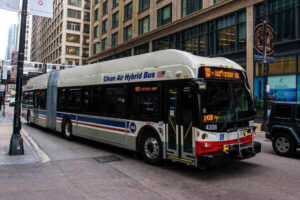
Chicago’s public transportation system offers numerous benefits that enhance the quality of life for its residents. Firstly, it provides an affordable and efficient means of transportation, reducing the need for car ownership and the associated costs of fuel, maintenance, and parking. This affordability is particularly crucial for low-income residents who rely on public transit for their daily commutes.
Secondly, public transportation reduces traffic congestion and the environmental impact of urban commuting. By offering a viable alternative to car travel, the CTA helps decrease the number of vehicles on the road, leading to lower greenhouse gas emissions and improved air quality. The system also supports the city’s sustainability goals by promoting eco-friendly transportation options.
Furthermore, public transit enhances accessibility and mobility within the city. It connects residents to employment opportunities, educational institutions, healthcare facilities, and cultural attractions, fostering economic growth and social inclusion. The convenience and reliability of the system make it an essential component of daily life in Chicago.
Challenges and Issues
Despite its many benefits, Chicago’s public transportation system faces several challenges. Aging infrastructure is a significant concern, with many of the ‘L’ train lines and stations requiring substantial maintenance and upgrades. The cost of these improvements is substantial, often straining the budget of the CTA and necessitating increased funding from federal, state, and local sources.
Operational efficiency and service reliability are other areas of concern. Delays, mechanical failures, and inconsistent service can deter riders and reduce the system’s overall effectiveness. Addressing these issues requires continuous investment in modernizing equipment, implementing advanced technologies, and optimizing service schedules.
Safety and security are also critical challenges. Ensuring the safety of passengers and staff is paramount, requiring robust measures to prevent crime, accidents, and emergencies. Enhancing security while maintaining a welcoming and accessible environment is a delicate balance that the CTA must manage.
Future Prospects

The future of Chicago’s public transportation system lies in modernization and innovation. Plans for expanding and upgrading the ‘L’ lines, improving bus rapid transit (BRT) services, and incorporating new technologies like real-time tracking and mobile ticketing are essential steps toward enhancing the system’s efficiency and user experience.
Investment in sustainable transportation solutions, such as electric buses and improved cycling infrastructure, aligns with broader environmental goals and responds to the growing demand for greener transit options. Public-private partnerships and community engagement will also play crucial roles in shaping the future of transit in Chicago.
Conclusion
Chicago’s public transportation system is a vital urban lifeline that supports the city’s economic vitality, environmental sustainability, and social equity. While it faces challenges related to infrastructure, operational efficiency, and safety, ongoing investment and innovation promise to enhance its service and reach. By continuing to prioritize public transit, Chicago can ensure a more connected, accessible, and sustainable future for all its residents.
Written By Kyla Hughes
Sources:




